How Hydroquinone Cream Can Transform Your Skin and Confidence
Hydroquinone cream is a well-known option for those wanting to improve the appearance of dark spots, Melasma, and uneven pigmentation. In New Zealand, it is available only with a prescription, ensuring safe, controlled use under a doctor’s supervision. Many people want to know how it works, what it can be used for, and whether it’s still considered the gold standard for certain pigmentation concerns. This guide answers the most common questions, explains the science, and explores alternatives for those considering their options at a Cosmetic Clinic in Christchurch.
What Is Hydroquinone Cream and How Does It Work?
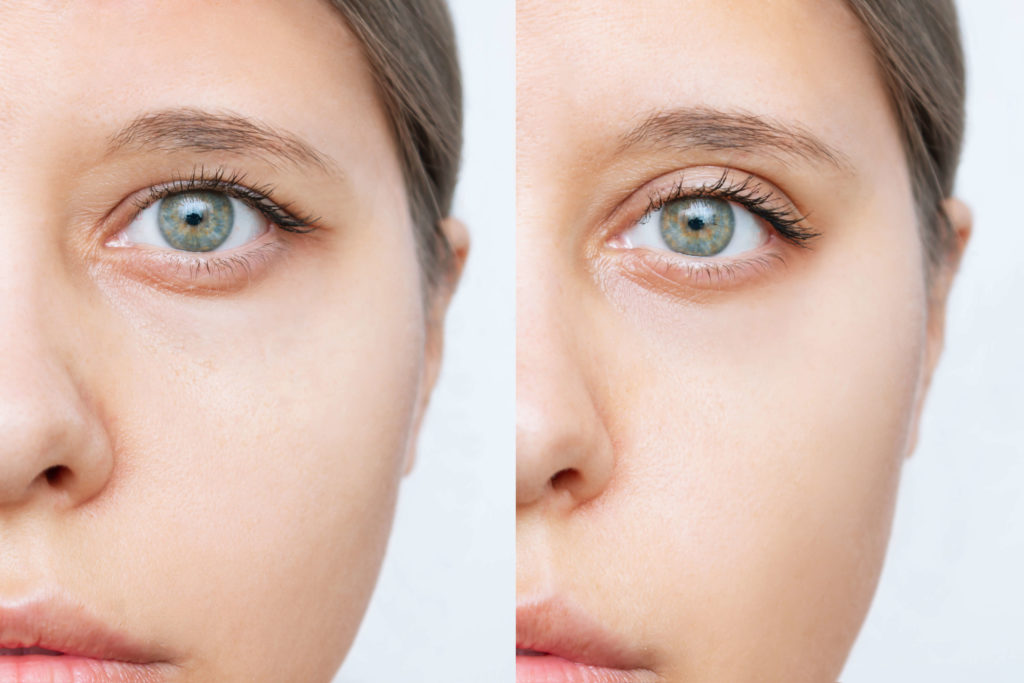
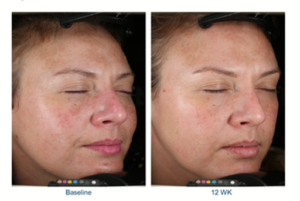
Hydroquinone cream is used to lighten areas of hyperpigmentation by reducing melanin production in the skin. Melanin is the pigment giving skin its colour, and an excess can lead to dark patches, age spots, or uneven tone. By interfering with the process that creates melanin, the cream helps even out skin tone and reduce the appearance of brown marks. This makes it a popular choice for people with Melasma, sun spots, or age spots who want to support a clearer complexion. The cream is usually used in small amounts and for short periods, always under medical supervision.
Why Is Hydroquinone Cream Prescription-Only in New Zealand?
Hydroquinone cream is not available over the counter in New Zealand due to safety concerns when used incorrectly or for extended periods. In the past, some people who used large amounts for long durations developed blue skin discolouration, known as ochronosis, or experienced irritation and redness. By making this treatment prescription-only, doctors can ensure it’s used safely and for the right reasons, reducing the risk of side effects. If you’re considering your options, a consultation at a Cosmetic Clinic in Christchurch, such as Satini, is the best way to start.
Hydroquinone for Melasma: Is It Still the Best Approach?
Hydroquinone for Melasma remains the most researched and widely used method to improve the appearance of Melasma. Melasma is a skin condition that’s triggered by hormones, sun exposure, and genetics, resulting in brown patches that can be stubborn to fade. While there are other treatments available, Hydroquinone for Melasma is often recommended first, sometimes in combination with vitamin A or mild steroids, for its ability to support a more even skin tone. Doctors monitor your progress and adjust the treatment as needed to reduce the risk of side effects and help you achieve the best result.
What Are the Risks and Side Effects of Hydroquinone Cream?
Although the cream is considered effective, it’s important to be aware of potential risks. Side effects can include redness, irritation, or a temporary darkening of the skin. Rarely, long-term use in high concentrations has been linked to ochronosis. For this reason, doctors in New Zealand prescribe it at safe strengths and for limited periods, with regular monitoring to ensure the best outcome for your skin health. It’s crucial to follow your doctor’s instructions and avoid using more than recommended.
Best Skin Whitening Treatments: Are There Alternatives to Hydroquinone Cream?
Best Skin Whitening Treatments often include options with ingredients like magnesium ascorbyl phosphate (a form of vitamin C), cysteamine, arbutin, and glutathione are popular for those seeking to brighten their complexion. These alternatives may be gentler and are available both in-clinic and as part of home care routines. Chemical peels and laser-based options are also offered at our Cosmetic Clinic in Christchurch for those with stubborn pigmentation. Consulting with a professional about the best Skin Whitening Treatments ensures you choose the safest and most effective approach for your skin type.
Should You Consult a Cosmetic Clinic Christchurch Before Starting Hydroquinone Cream?
Visiting a Cosmetic Clinic ensures you receive expert advice, a thorough skin assessment, and a prescription tailored to your needs. Practitioners at a Cosmetic Clinic will guide you on safe use, monitor your progress, and help you access alternative treatments if hydroquinone is not suitable for your skin type or concerns. This approach supports the safest, most effective outcomes for improving pigmentation and skin tone.
How Long Should You Use Hydroquinone Cream?
Most people use hydroquinone cream for a short period, typically a few weeks to a few months, depending on their skin’s response and their doctor’s advice. Prolonged use is not recommended, as the risk of side effects increases with time. Once the desired improvement is achieved, maintenance is often continued with milder products or alternative ingredients. Regular follow-up with your provider helps keep your skin healthy and minimises the risk of side effects.
Is Hydroquinone Cream Safe for All Skin Types?
Hydroquinone cream can be used on a range of skin tones, from fair to very dark skin, but it must be prescribed and monitored by a doctor. People with very sensitive skin or a history of allergies may need to consider alternative options. If you’re unsure, booking a consultation at our Cosmetic Clinic in Christchurch is the best way to receive individualised advice and care. Doctors can assess your skin and recommend the most suitable treatment for your needs.
If you’re looking to improve the appearance of pigmentation or want to explore the most suitable options for your skin, our team at Satini Cosmetic Clinic can help. We offer a personalised approach and access to the latest treatments, helping you feel more confident in your skin. To learn more or book your appointment, visit Satini Cosmetic Clinic.