What Does Hydroquinone Do to the Skin? Pigmentation Treatment & Results
Uneven skin tone can affect how we feel about ourselves, especially when dark patches appear on the face. Melasma, post-inflammatory hyperpigmentation, and sun spots are common concerns that many people want to address. Hydroquinone has become a trusted solution for these issues, offering real results when used correctly under professional guidance. Understanding the science behind this ingredient and how it works can help you make informed decisions about your skin. In this guide, we’ll explore the question, what does hydroquinone do to the skin? and why it remains a gold standard treatment for pigmentation concerns.
Understanding Dark Spots and Melasma
Dark patches on the skin develop for several reasons. Melasma typically appears as symmetrical brown-to-grey patches on the forehead, cheeks, nose, and chin, often triggered by genetics, hormonal changes, sun exposure, and certain medications. Post-inflammatory hyperpigmentation can follow acne, burns, or other skin injuries, while sun spots develop over years of UV exposure. These conditions aren’t health risks, but they can significantly impact your confidence and wellbeing. The good news is effective treatments exist, and understanding your options is the first step toward clearer, more even skin.
How Does Hydroquinone Work for Pigmentation?
Hydroquinone tackles pigmentation through two powerful mechanisms. First, it blocks tyrosinase, the enzyme responsible for melanin production, effectively preventing excess pigment production. Second, it damages the melanocytes, the cells that produce melanin, reducing their ability to create colour over time. This dual approach explains how does hydroquinone work for pigmentation? and why it’s so effective for stubborn marks.
Research shows approximately 70% of patients experience significant improvement within three months of twice-daily use, particularly when pigment sits in the skin’s outer layer. The ingredient has been used for decades and remains the gold standard for melasma treatment. When you understand what does hydroquinone do to the skin at a cellular level, it’s clear why dermatologists continue to recommend it as a first-line option.
What Conditions Can Hydroquinone Treat?
Hydroquinone’s versatility makes it suitable for a range of pigmentation concerns. Beyond melasma, it effectively addresses post-inflammatory hyperpigmentation from acne or trauma, solar lentigines (age spots and sun spots), and pigmentation triggered by certain medications or laser treatments. Each condition responds differently based on individual skin type, the depth of pigment, and how consistently you use the treatment. We assess your specific situation during a consultation to determine whether hydroquinone is the right choice for you. Understanding exactly how does hydroquinone work for pigmentation helps us tailor a treatment plan addressing your unique needs.
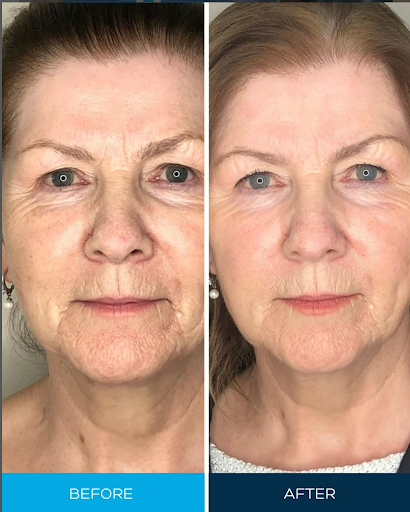
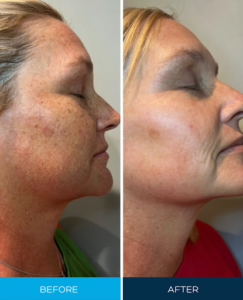
Hydroquinone is known to gradually fade dark patches and improve overall skin clarity. Over time, you’ll see a more even complexion, though results can vary. Looking at how does hydroquinone work for pigmentation, you’ll see it differs from other treatments in that it has a dual mechanism, blocking melanin production while also reducing the cells responsible for pigment formation.
Choosing the Right Hydroquinone Skin Lightening Cream
Hydroquinone formulations vary in strength and composition, and selecting the right one matters. In New Zealand, hydroquinone is prescription-only due to safety concerns, so we’ll work with you to determine the appropriate strength for your skin. We may recommend a hydroquinone skin lightening cream on its own or combined with other active ingredients like vitamin A or mild steroids to enhance results and minimise irritation.
A patch test before full application helps ensure your skin tolerates the formulation well. Choosing the right hydroquinone skin lightening cream can make a real difference to your results and comfort throughout the process.
How Long Should You Use Hydroquinone Cream for Best Results?
The timeline for hydroquinone treatment varies, but most people notice visible improvement within three to four weeks of daily use. Full results typically emerge over two to three months with consistent application. How long should you use hydroquinone cream depends on your specific condition and how your skin responds.
We recommend applying a thin layer to affected areas once or twice daily as directed, and attending regular check-ins so we can monitor your progress and adjust your plan if needed. Following the recommended course for how long should you use hydroquinone cream ensures you get the benefits while minimising risks.
Managing Side Effects and Safety
While hydroquinone is generally well-tolerated, some people experience mild side effects like redness, dryness, itching, or temporary stinging. These reactions are usually transient and settle with continued use or a brief pause. More serious effects are rare when you follow your prescription carefully, though we always discuss potential risks during your consultation.
Using hydroquinone longer than recommended or at higher strengths than prescribed increases the risk of complications. How long should you use hydroquinone cream also relates to maintenance. Once you’ve achieved your desired results, we’ll advise on reducing frequency or transitioning to other options for long-term care.
Maximising Results: Sun Protection and Skincare
Sun protection is non-negotiable when using hydroquinone. UV exposure and even visible light from screens can trigger melanin production and undo your progress. We recommend a broad-spectrum sunscreen with SPF 50+, protective clothing, and seeking shade during peak sun hours.
Your skincare routine matters too. Avoid combining hydroquinone with other potentially irritating actives unless we’ve approved the combination. When using hydroquinone skin lightening cream, a simple, gentle routine with a quality moisturiser supports your skin’s barrier and enhances results. Consistency with sun protection and skincare makes a real difference in how quickly you see improvement.
Getting Started with Professional Guidance
Taking the next step begins with a consultation where we assess your skin, discuss your concerns, and create a personalised treatment plan. We’ll confirm that hydroquinone is right for you, explain what to expect, and ensure you understand how to use it safely and effectively. Our team remains available throughout your treatment to answer questions and adjust your plan as needed.
Pigmentation concerns don’t have to be permanent. With the right guidance, treatment, and commitment to sun protection, you can achieve the clearer, more even skin you’re looking for. Understanding what does hydroquinone do to the skin is the foundation for making informed choices about your treatment journey.
To book your consultation, visit Satini and discover how we can help you achieve clearer, more even skin.