Migraines can have a devastating impact on daily life. For some people, migraines are far more than “just headaches.” They can affect work, family life, sleep, concentration, and emotional wellbeing. If you suffer from chronic migraines, you may already have tried multiple medications, supplements, lifestyle changes, and therapies without finding lasting relief.
At Satini Cosmetic Clinic in Christchurch, Dr Nadja Haub offers doctor-led Botox treatment for migraines using carefully designed injection protocols aimed at reducing the frequency and severity of migraine attacks.
Many people are surprised to learn that Botox is not only used cosmetically for wrinkles and facial rejuvenation. Botox has also been extensively studied and medically used for chronic migraine treatment for many years.
In this article, we explain:
- How Botox for migraines works
- Who may benefit from treatment
- What happens during treatment
- Injection points used for migraine Botox
- Risks and side effects
- Expected results
- Frequently asked questions
Dr Nadja Haub says
“Botox can be a legitimate medical treatment for chronic migraine. It is different from cosmetic Botox. It is not for everyone, it is not a cure, and results are usually assessed over repeated treatment cycles.”
What Is Botox For Migraines?
Botox is a purified protein derived from botulinum toxin. While most people know Botox as a cosmetic treatment for wrinkles, it is also widely used medically for conditions involving muscle activity and nerve signalling.
Botox for migraines is a medical treatment designed to help people who suffer from chronic migraine headaches. Rather than simply masking pain, Botox works by reducing the activation of pain pathways involved in migraine development.
Botox migraine treatment was approved by the FDA after large clinical trials showed that it could significantly reduce migraine frequency in selected patients.
Today, Botox is commonly used internationally for chronic migraine management and has developed a strong safety record.
What Is A Chronic Migraine?
A chronic migraine generally means:
- Headaches on 15 or more days per month
- With migraine features on at least 8 of those days
- Lasting for more than 3 months
Migraine symptoms may include:
- Throbbing or pulsating head pain
- Nausea or vomiting
- Light sensitivity
- Sound sensitivity
- Visual disturbances or aura
- Neck tightness or pain
- Fatigue and brain fog
For many people, migraines significantly affect quality of life, relationships, productivity, and mental wellbeing.
How Does Botox Help Migraines?
Scientists believe Botox helps migraines by reducing the release of pain-signalling chemicals around nerves involved in migraine pathways.
Botox also relaxes certain muscles around the head, neck, and shoulders that may contribute to tension and migraine triggering.
Rather than working like standard pain medication, Botox acts preventatively. The goal is to reduce:
- Migraine frequency
- Migraine severity
- Duration of attacks
- Reliance on pain medications
Many patients describe:
- Fewer migraine days
- Less severe attacks
- Better ability to function at work
- Improved sleep and quality of life
Botox For Migraines vs Cosmetic Botox
Although the same medication is used, migraine Botox treatment differs significantly from cosmetic Botox.
Cosmetic Botox typically focuses on small facial muscles to reduce wrinkles.
Migraine Botox uses:
- More injection points
- Higher total doses
- Different treatment areas
- A standardised medical protocol
Migraine treatment commonly involves injections into:
- Forehead
- Temples
- Back of the head
- Neck
- Upper shoulders
At Satini Cosmetic Clinic, Dr Nadja Haub carefully tailors treatment based on your migraine pattern, muscle tension, anatomy, and previous response to therapies.
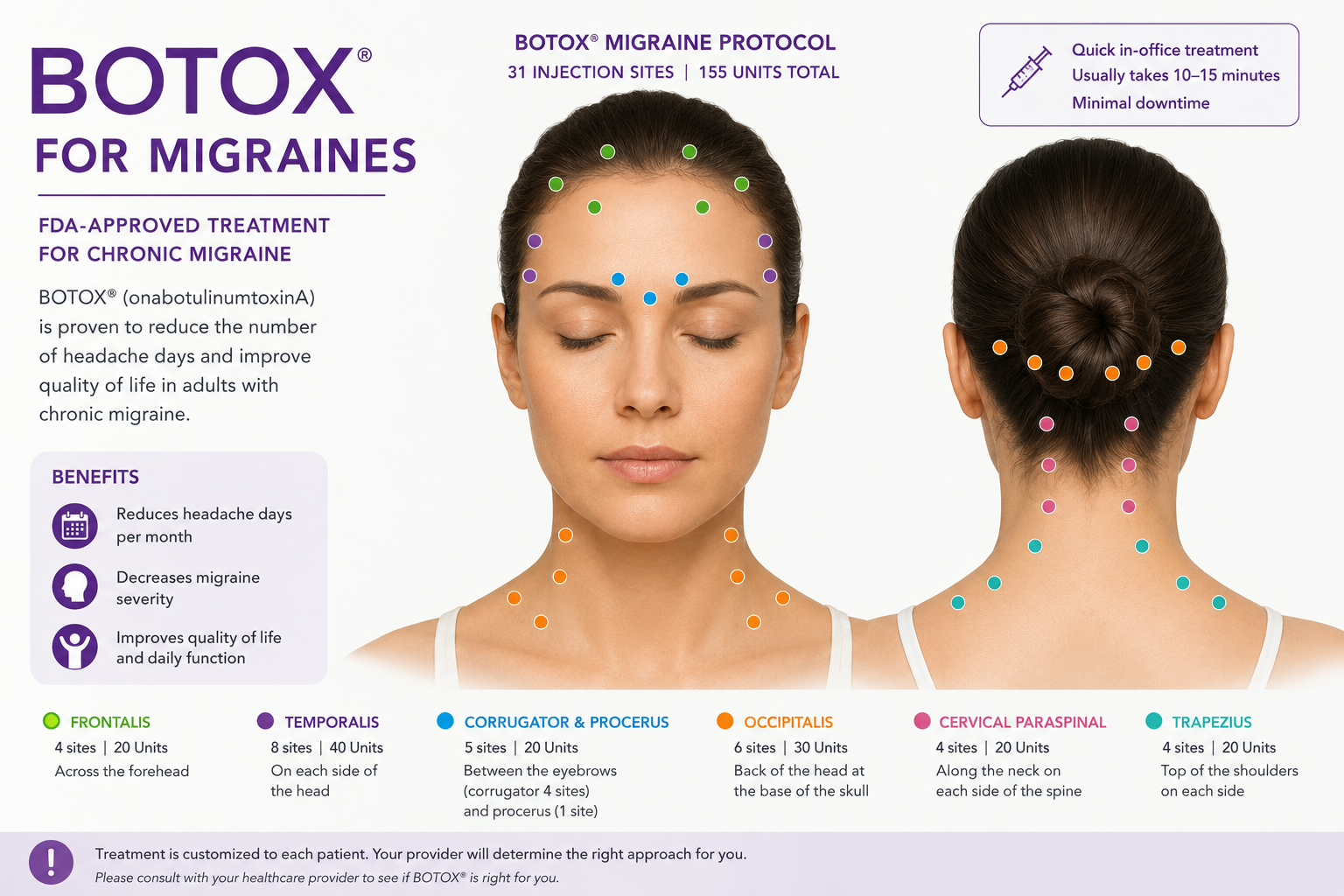
Botox Injection Points For Migraines
The standard migraine protocol typically uses 31 injection points and approximately 155 units of Botox.
Areas commonly treated include:
Forehead
Injections into the forehead muscles may help reduce tension and migraine triggering in the frontal head region.
Frown Area
The muscles between the eyebrows are often treated as they can contribute to tension headaches and facial tightness.
Temples
Temple injections are commonly used because many migraine sufferers experience pain around the sides of the head.
Back Of The Head
The occipital region is a major treatment area in migraine Botox protocols.
Neck
Neck muscle tension frequently contributes to migraine symptoms and associated discomfort.
Upper Trapezius Muscles
The upper shoulder muscles are often involved in chronic tension and migraine patterns.
Suggested image placement:
- Anatomical diagram showing standard migraine Botox injection sites
- Side-profile illustration of temple and forehead injection points
- Posterior neck and trapezius injection map
What Happens During A Botox Migraine Appointment?
Your appointment begins with a detailed medical consultation.
Dr Nadja Haub will discuss:
- Your migraine history
- Frequency and severity
- Previous medications and therapies
- Trigger patterns
- Associated symptoms
- Medical history and medications
Treatment itself usually takes around 15–30 minutes.
A very fine needle is used to place small amounts of Botox into selected muscles and treatment points.
Most people tolerate the procedure very well.
Does Botox For Migraines Hurt?
Most patients describe the injections as mildly uncomfortable rather than painful.
The needles used are extremely fine, and the injections are very quick.
Some areas, particularly around the temples or neck, may feel slightly more sensitive than others.
How Long Does Botox Take To Work For Migraines?
Most people do not notice immediate improvement.
Some patients begin to notice changes within the first 1–2 weeks, but migraine improvement often becomes more noticeable after repeated treatment cycles.
Studies suggest that many patients achieve their best results after the second or third treatment cycle.
Botox migraine treatments are usually repeated every 12 weeks, but some people may find that they need it more or less frequently.
How Effective Is Botox For Migraines?
Botox does not “cure” migraines, but it can significantly reduce migraine burden for selected patients.
Clinical studies have shown meaningful reductions in:
- Number of migraine days
- Severity of migraines
- Headache duration
- Use of rescue medication
A good response often means a 30–50% reduction in migraine frequency.
Some patients experience dramatic improvements, while others notice more moderate changes.
Unfortunately, not everybody responds to treatment, and it is currently impossible to predict exactly who will benefit most.
Who May Be Suitable For Botox Migraine Treatment?
Botox may be suitable for people who:
- Experience chronic migraines
- Have frequent headache days
- Have not responded adequately to medications
- Cannot tolerate migraine medications
- Prefer preventative treatment approaches
Botox is generally not recommended during pregnancy or breastfeeding.
A medical consultation is necessary to determine suitability.
What Are The Side Effects Of Botox For Migraines?
Botox migraine treatment is generally considered very safe when performed by qualified medical professionals.
Common temporary side effects may include:
- Mild bruising
- Tenderness at injection sites
- Temporary headache
- Neck tightness
- Mild muscle soreness
Rare side effects may include:
- Temporary eyelid heaviness
- Uneven eyebrow movement
- Neck weakness
- Muscle asymmetry
These side effects are usually temporary and gradually resolve as the treatment wears off.
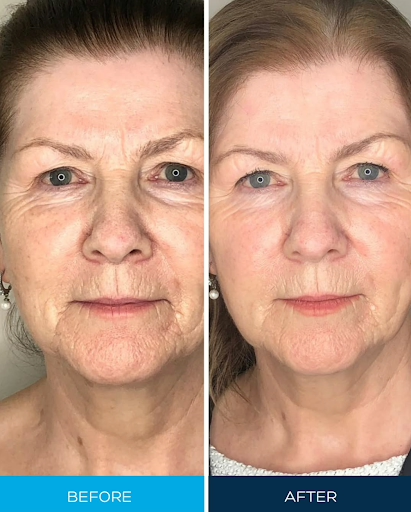
Can Botox Also Improve Wrinkles During Migraine Treatment?
Many patients notice an additional cosmetic benefit from migraine Botox treatment.
Because injections are placed in areas such as the forehead and frown muscles, some people experience:
- Softer forehead lines
- Reduced frown lines
- More relaxed facial appearance
However, the primary goal of treatment remains migraine management rather than cosmetic enhancement.
Why Choose Satini Cosmetic Clinic For Botox Migraine Treatment?
Satini Cosmetic Clinic is a doctor-led cosmetic and medical aesthetic clinic in Christchurch founded by Dr Nadja Haub.
Patients choose Satini because of:
- Doctor-only injectors
- Extensive knowledge of facial anatomy
- High safety standards
- Natural and balanced treatment philosophy
- Calm and confidential environment
- Individualised treatment planning
Dr Nadja Haub has extensive experience with facial injectables and medical botulinum toxin treatments.
At Satini, treatments are performed conservatively and professionally, with careful attention to patient safety, comfort, and natural outcomes.