How to Choose the Right Advanced Skin Treatment for Your Skin Type (Not Just Guess)
How to Choose the Right Advanced Skin Treatment for Your Skin Type comes down to one thing: an accurate, professional read of what your skin actually needs. At Satini Cosmetic Clinic, that starts with a proper assessment from a doctor, not a quiz or a quick glance.
Why Guessing Your Skin Type Rarely Gets You the Right Treatment
Skin type feels obvious until you compare how people actually assess it. A review of skin classification methods found that self-identified skin type varies enormously depending on who is doing the identifying. Self-reported skin type varies sharply by population. One dermatology review of skin type classification found oily skin was far more commonly self-reported in South Korea than it was identified by physicians assessing patients in the United States, where oily skin showed up in only a small minority of cases. That is a big gap for something people assume they already know about themselves.
Part of the issue sits with the classification tools themselves. Research into skin phenotype measurement found that even the standard system dermatologists use is a generally unreliable estimator, and that self-reported assessments are less reliable again.
None of this means an instinct about your own skin is wrong. It means skin type alone is a starting point, not the full picture, and it works best when a professional confirms it before any treatment plan is built.
Medical Grade Facial vs Regular Facial: What’s the Difference?
Medical Grade Facial vs Regular Facial: What’s the Difference? It comes down to depth of treatment and who performs it. A regular facial works on the skin’s surface for relaxation and glow. It isn’t designed to change what’s happening underneath. A medical grade facial is designed and performed by a cosmetic doctor to change the skin at a deeper level, targeting concerns such as pigmentation, fine lines, uneven texture, and mild facial sagging.
At Satini, every advanced skin treatment sits under this medical grade category. That includes chemical peels, microneedling with Dermapen4, IPL facial rejuvenation, mesotherapy, and PRP (platelet rich plasma) facials. Each one works differently, and the right one depends on the specific concern behind it.
What Do Advanced Skin Treatments Cost at Satini?
Pricing at Satini depends on the treatment and how many sessions you need.
| Treatment | Single session | Course of three |
| Chemical peel | $125 to $180 (depending on peel type) | — |
| Microneedling with Dermapen4 | $299 | $750 |
| IPL facial | $299 | $750 |
| Mesotherapy facial | $450 | $1,199 |
| PRP (Vampire) facial | From $450 | $1,199 |
Most advanced skin treatments are recommended as a course rather than a single visit, since collagen production builds gradually over several sessions.
What to Expect After an Advanced Skin Treatment
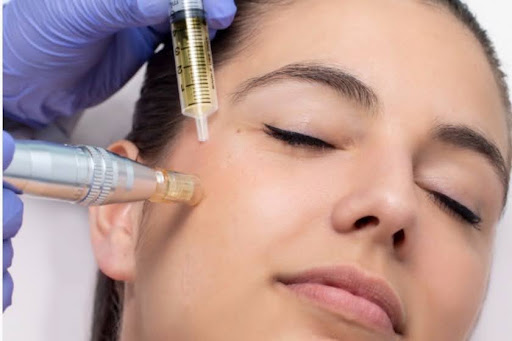
What to Expect After an Advanced Skin Treatment depends on which one you have, but most people notice mild warmth, tingling, or redness for a few hours afterwards. A calming face mask is applied at the end of most sessions to settle the skin before you leave.
Downtime ranges from none, with a mild chemical peel, to a few days for a moderate peel or a course of microneedling. SPF 50+ is essential after any of these treatments, since freshly treated skin is more sensitive to UV exposure for a period afterwards. Results build over the following weeks as collagen production increases, rather than appearing overnight.
How Do You Choose the Right Advanced Skin Treatment for Your Skin Type?
How to Choose the Right Advanced Skin Treatment for Your Skin Type starts with what the skin is actually doing. Chemical peels suit uneven tone, mild sun damage, and congestion. Microneedling with Dermapen4 suits acne scarring and general texture concerns. IPL targets redness and brown pigmentation. Mesotherapy and PRP both suit skin that has lost radiance and firmness, with slightly different mechanisms behind the result.
At Satini, a doctor reviews your skin in person before recommending any of these, which is what closes the gap between a guess and a plan that actually fits.
Booking an assessment costs nothing to find out where your skin sits and which of these treatments would suit it best.
Signs Your Skin Needs Professional Skin Rejuvenation
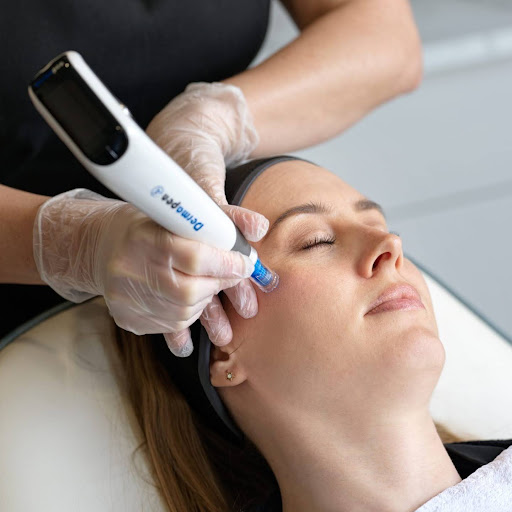
Signs Your Skin Needs Professional Skin Rejuvenation include persistent dullness, uneven texture, visible pigmentation or dark spots, fine lines that home skincare has not shifted, and redness that doesn’t settle with normal products. Any one of these on its own might only need a change in routine. Several together, or symptoms that have stuck around for months, are a better reason to book an assessment than to keep guessing at home.
Frequently Asked Questions
Do I need to know my skin type before booking a treatment? No. Part of the initial assessment is identifying your skin type and concerns accurately, so you do not need to work this out beforehand.
How long do results from advanced skin treatments last? This varies by treatment. Chemical peels and microneedling typically need repeating every few months to maintain results, while mesotherapy and PRP facials can last six months to a year with a top-up session.
Can I combine more than one advanced skin treatment? Yes, several of these treatments work well together, such as a chemical peel paired with microneedling. A doctor will advise on timing and spacing between treatments.
Is there downtime after an advanced skin treatment? What to expect after an advanced skin treatment includes downtime that ranges from none for a mild chemical peel to a few days for a moderate peel or microneedling course. Most people return to normal activities the same day.
Are advanced skin treatments suitable for all skin tones? Suitability depends on the specific treatment and the individual’s skin. A doctor will assess this during your consultation to recommend the safest and most effective option.
How many sessions will I need? Most advanced skin treatments are recommended as a course of three sessions, spaced a few weeks apart, with maintenance sessions afterwards to keep results consistent. Signs your skin needs professional skin rejuvenation often become clearer partway through a course, which is why check-ins are built into the plan.
Does an advanced skin treatment hurt? Most people describe mild tingling or warmth rather than pain. Numbing cream is used for treatments like microneedling and mesotherapy to keep the experience comfortable.
What is the difference between microneedling and a chemical peel? Microneedling creates micro-channels in the skin to stimulate collagen, while a chemical peel exfoliates the surface layer using an acid solution. Medical grade facial vs regular facial distinctions apply to both, since each is performed by a cosmetic doctor rather than an esthetician.
How do I know if I need IPL or microneedling? IPL is better suited to redness and brown pigmentation, while microneedling is better suited to texture and acne scarring. A doctor can confirm which fits your skin during an assessment.
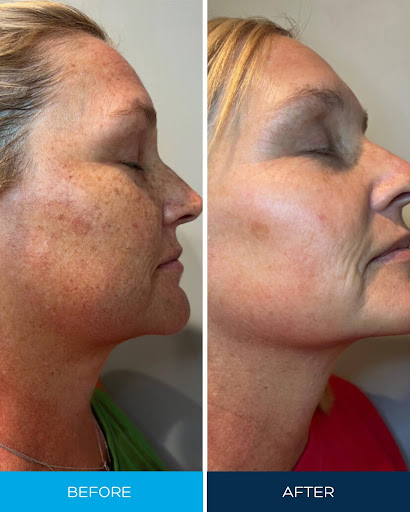
Choosing Medical Grade Facial vs Regular Facial treatments starts with an accurate assessment of your own skin. That’s what determines the right one. A doctor identifies what’s going on and matches it to the right option, whether that is a chemical peel, microneedling, IPL, mesotherapy, or a PRP facial.
Book an assessment with Satini or call 0800-121-622 to find the treatment that fits your skin.