

 Hair Loss & Thinning
Satini Cosmetic Clinic — A Concern We Treat
Hair loss and thinning, understood properly.
Hair loss isn't one condition — it has different causes and different treatments in men and in women. Dr Nadja Haub assesses what's actually driving yours before recommending anything, so you're not guessing with over-the-counter products that were never going to work for your cause.
☎ 0800 121 622 — Mon–Sat, Ferrymead Christchurch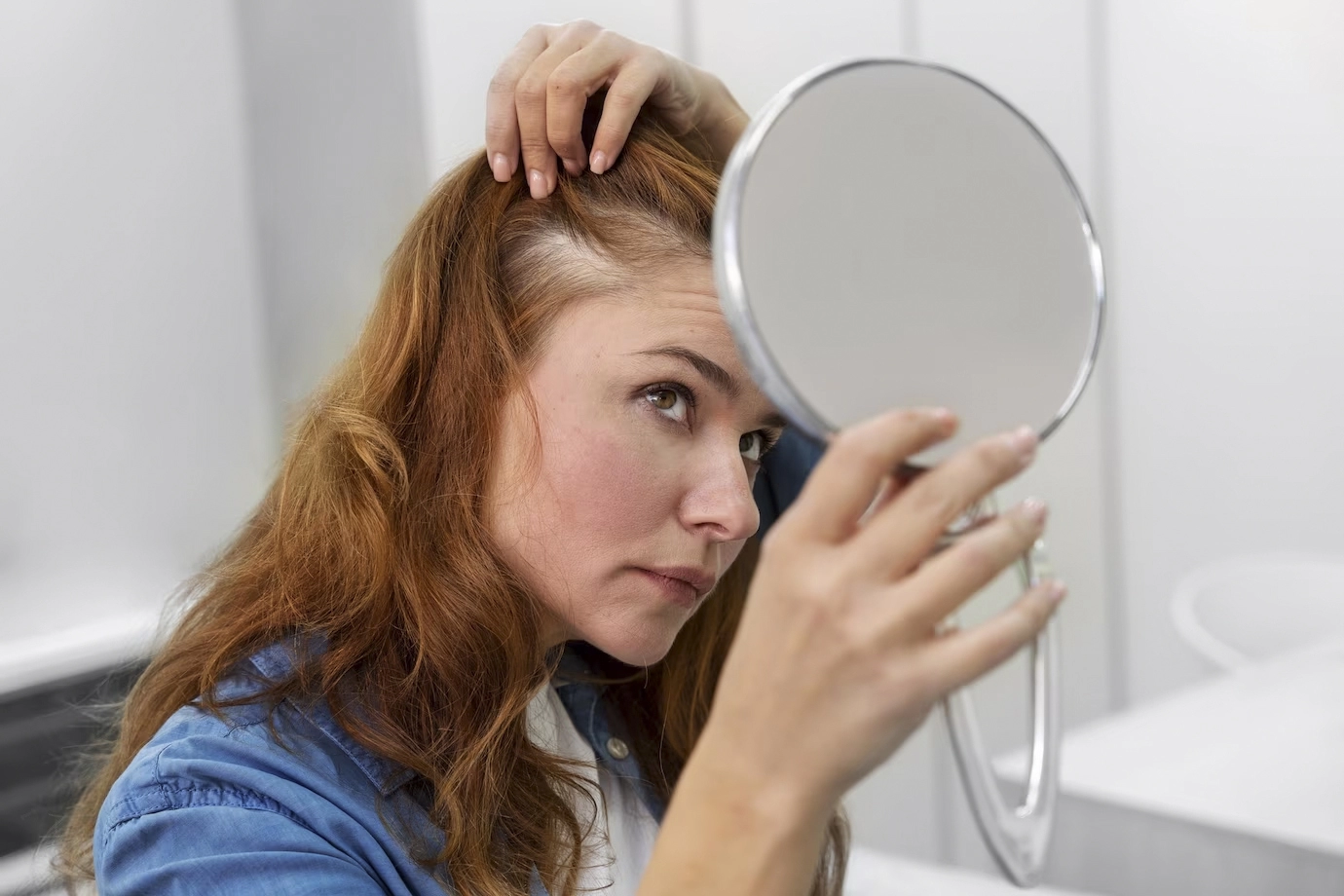
of men and women respectively will experience visible hair loss or thinning at some point — but the cause, and the right treatment, is rarely the same for both.
Prevalence of pattern hair loss, adult populationStart here
Your hair loss isn't generic. Your plan shouldn't be either.
The single biggest driver of male hair loss and the most common causes in women are different conditions, with different tests and different treatments. Pick the path that matches you.
Male pattern baldness
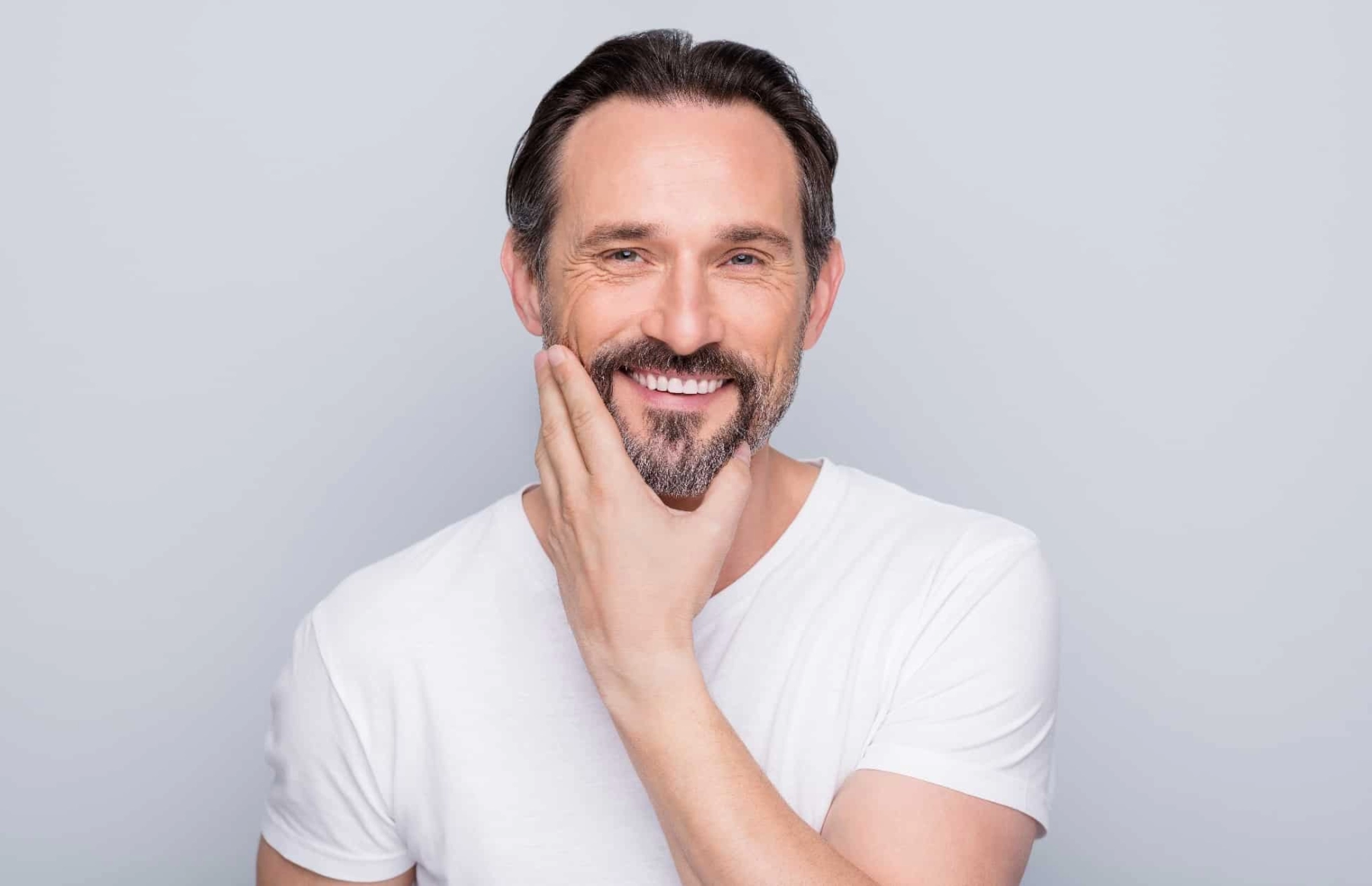
In men, hair loss is overwhelmingly androgenetic — driven by DHT acting on genetically sensitive follicles, following the predictable Norwood scale. It responds well to topical finasteride, minoxidil and PRP, started early.
~95% of hair loss in men is androgenetic (male pattern baldness)
Read about male pattern baldness treatment →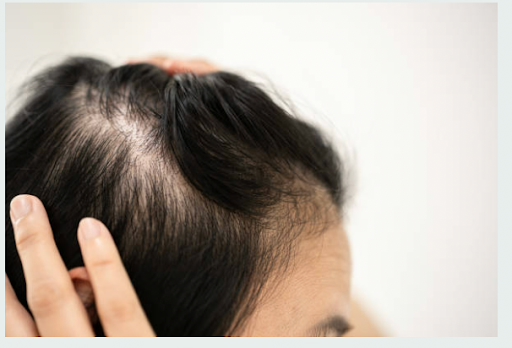
Hair thinning in women
In women, thinning is more often hormonal (menopause, PCOS), thyroid-related, iron-deficiency related, or a temporary shedding phase (telogen effluvium) — genuinely different conditions that need a different assessment and treatment path.
Around 1 in 4 women will experience visible thinning
See causes and treatment for women →The cause, by sex
What's actually causing it
Getting the cause right matters more than any single product — a treatment aimed at genetic hair loss won't help thinning caused by a thyroid problem, and vice versa. This is exactly what Dr Nadja assesses for at your consultation.
Common in men
Genetics, DHT, and age
- Androgenetic alopecia (male pattern baldness) — inherited follicle sensitivity to DHT, following the Norwood scale. By far the most common cause in men.
- Age-related progression — typically begins in the 20s–30s and worsens gradually rather than suddenly.
- Traction or stress-related shedding — less common in men, usually temporary.
Common in women
Hormones, thyroid, and iron
- Female pattern hair loss — diffuse thinning at the crown and parting, often linked to menopause or PCOS. See DermNet NZ for clinical detail.
- Thyroid disorders — both an underactive and overactive thyroid can cause diffuse shedding.
- Iron deficiency — low ferritin is a common, easily-tested and treatable cause of thinning in women.
- Telogen effluvium — a temporary shedding phase triggered by illness, stress, childbirth or a major life event, usually resolving on its own. See DermNet NZ.
- Alopecia areata — an autoimmune condition causing patchy hair loss, distinct from pattern thinning.
Shared — Nutrient deficiency
Not just iron
Deficiencies in vitamin D, zinc and protein can contribute to thinning in both men and women, alongside crash dieting or restrictive eating.
Shared — Stress
A real, physical trigger
Significant physical or emotional stress can push hair follicles into a shedding phase in anyone, usually 2–3 months after the triggering event.
Shared — Medical conditions
Worth ruling out
Autoimmune conditions, some medications, and underlying illness can all cause hair loss — another reason a proper assessment matters more than guessing with products.
Treatment options
What's available, and who it suits
Some treatments are specific to one cause; others are used across both men's and women's hair loss. Your plan is built at your assessment — not before.
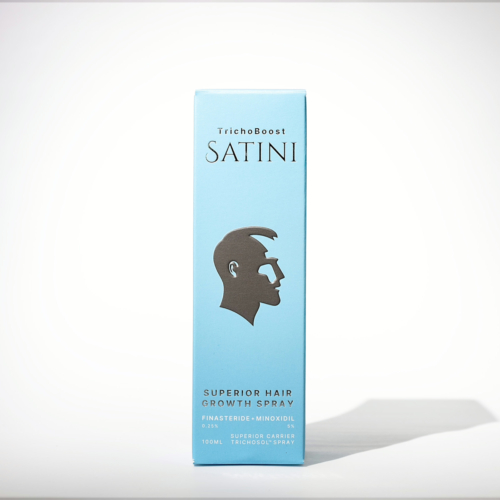
Topical finasteride
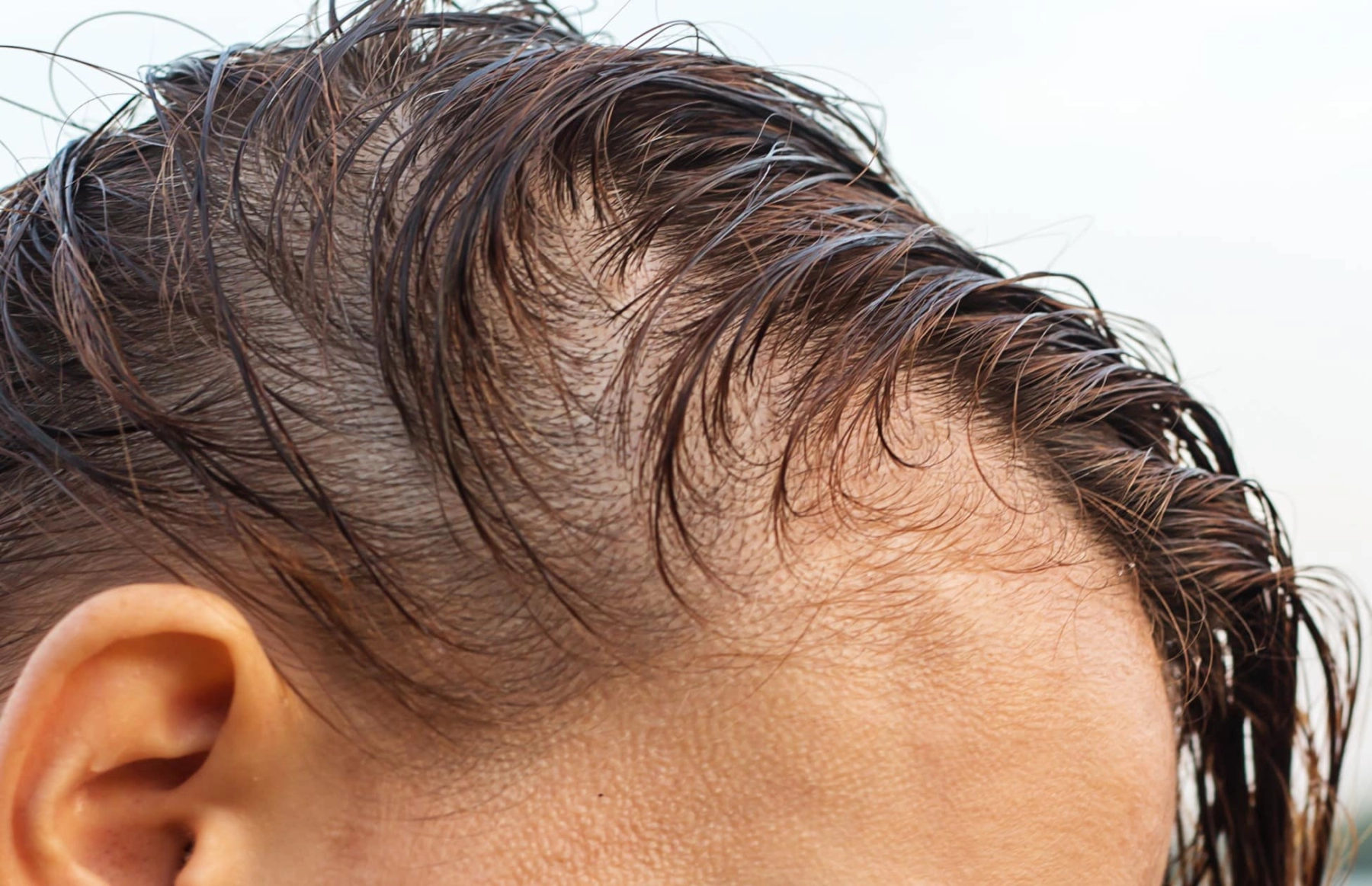
Blocks the DHT that shrinks follicles. Effective for male pattern baldness; not suitable for women who are pregnant or may become pregnant.
Prescription · MenMinoxidil
Supports blood flow to the follicle and can slow shedding or support regrowth. Used in both men and women, typically 3–6 months for visible change.
Over-the-counter · BothPRP (Platelet-Rich Plasma)
Your own blood, concentrated and injected into the scalp to stimulate follicles directly. A well-established adjunct for thinning hair in both men and women.
In-clinic · BothLow-level laser / red light
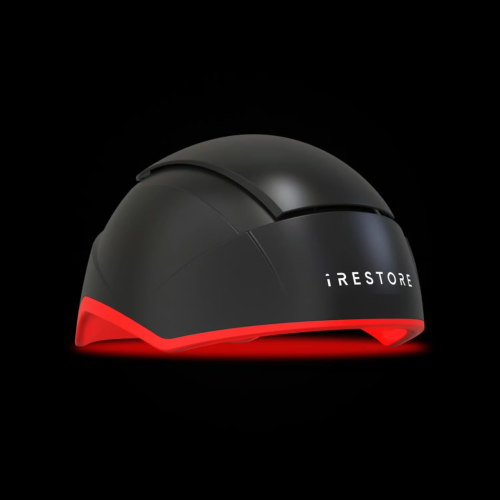
At-home laser devices (like iRestore) that use light energy to support follicle activity — a non-invasive option layered alongside other treatment.
At-home device · BothHormonal treatment
For women, options like cyproterone-containing oral contraceptives or spironolactone can address the hormonal driver of thinning directly.
Prescription · WomenMedical-grade shampoo & scalp care
Formulated shampoos, conditioners and scalp treatments (DP Dermaceuticals, mesoestetic) that support scalp health alongside your main treatment.
At-home · BothSupplements
Saw palmetto and targeted nutrient support can be useful adjuncts, particularly where a deficiency is contributing to thinning.
At-home · BothHair transplant / advanced options
For more advanced or established loss, surgical options can be discussed and referred appropriately as part of your plan.
Referral · BothFinasteride and hormonal treatments (including spironolactone and cyproterone-containing medicines) are prescription-only in New Zealand. They have benefits and risks — Dr Nadja will confirm what's appropriate for you, and full consumer medicine information is available from Medsafe. Individual results vary. This page is general information, not medical advice.
Shop
Products we stock and prescribe
A sample of what's available in-clinic and online — your assessment will confirm exactly what's right for you. Full range on our hair loss shop page.
At-home · Devices
iRestore Essential Laser System
At-home · Devices
iRestore Professional Laser System
Prescription · Men
Topical Finasteride 0.25% Spray
Prescription required
Prescription · Men
Topical Finasteride 0.25% + Minoxidil 5% Lotion
Prescription required
Scalp care · Both
Exo-Grow Shampoo, 300ml
Scalp care · Both
Exo-Grow Scalp Mask, 150ml
Scalp care · Both
mesoestetic Tricology Hair Loss Shampoo
Scalp care · Both
mesoestetic Tricology Hair Lotion
Prescription products are only supplied following an assessment with Dr Nadja. See the full hair loss product range.
Who's treating you
Assessed by a doctor, whatever the cause
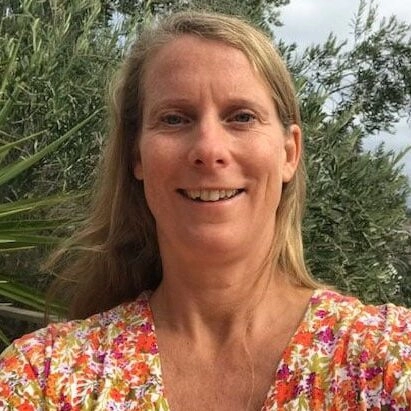
At Satini, Dr Nadja Haub personally assesses every hair loss patient before recommending treatment — checking for the hormonal, thyroid, nutritional or genetic drivers that generic hair products never test for.
"Hair loss in a man and hair thinning in a woman can look similar on the surface and be completely different conditions underneath. Treating the wrong one just wastes time — that's why the assessment comes first."
— Dr Nadja Haub, Satini Cosmetic Clinic
What happens next
From first call to a plan you can see working
$99 assessment
Dr Nadja examines your scalp, discusses your history, and identifies what's actually driving your hair loss. Refunded in full against any in-clinic treatment.
Personalised plan
A written plan and price, matched to your specific cause and goals — not a one-size-fits-all product.
Treatment
Prescription started and/or your first PRP session booked in — done in clinic, at Ferrymead.
Review & adjust
Progress checked at agreed intervals; the plan is adjusted as your hair responds.
Questions
Hair loss and thinning, answered plainly
What's the difference between hair loss and hair thinning?
"Hair loss" often implies a permanent, pattern-based process like male pattern baldness. "Thinning" is broader and can be temporary — from stress, hormones, thyroid issues or nutrient deficiency — which is why identifying the cause matters before choosing treatment.
Is hair thinning in women the same as male pattern baldness?
No. While both can involve genetics, women's thinning is more often linked to hormones, thyroid function or iron levels, and tends to present as diffuse thinning across the crown rather than the receding hairline pattern typical in men.
Can women use finasteride?
Topical finasteride is not generally recommended for women who are or may become pregnant. Dr Nadja will discuss which treatments — such as minoxidil, PRP, or hormonal options — are appropriate for you at your assessment.
Do I need a prescription for hair loss treatment in New Zealand?
Finasteride and hormonal treatments (like spironolactone or cyproterone-containing medicines) are prescription-only in NZ. Minoxidil, laser devices, PRP and scalp care products don't require a prescription, though PRP is delivered in-clinic.
How soon will I see results?
Topical treatments typically show visible change from 3–6 months of consistent use. PRP results build gradually over a course of 3–4 sessions across 3–4 months, with maintenance sessions every 6–12 months.
Is there a membership or subscription I have to sign up to?
No. Satini doesn't charge a monthly membership fee for hair loss treatment — you pay for your assessment and whichever treatments you choose, and nothing else.
Book your $99 assessment.
Refunded against any treatment you choose. Whatever's causing your hair loss or thinning, the first step is finding out what it actually is.