Daily Microfoliant vs Milkfoliant vs Superfoliant: Which Dermalogica Exfoliant Is Right for You?
Compare Dermalogica Daily Microfoliant, Milkfoliant and Superfoliant. Learn which powder exfoliant may suit sensitive, dull, oily or mature skin.
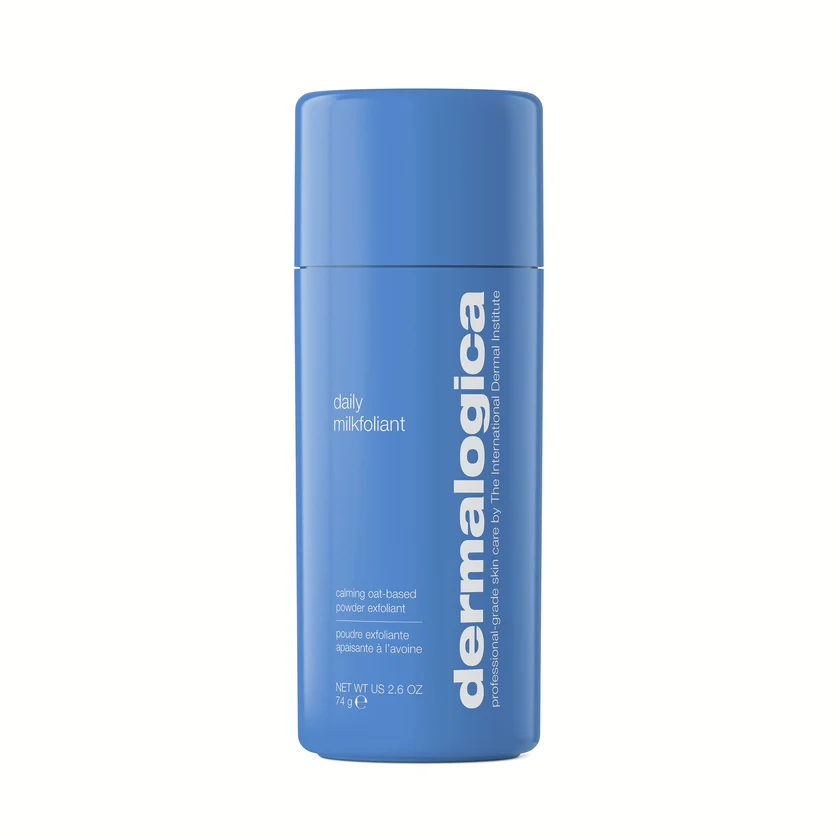
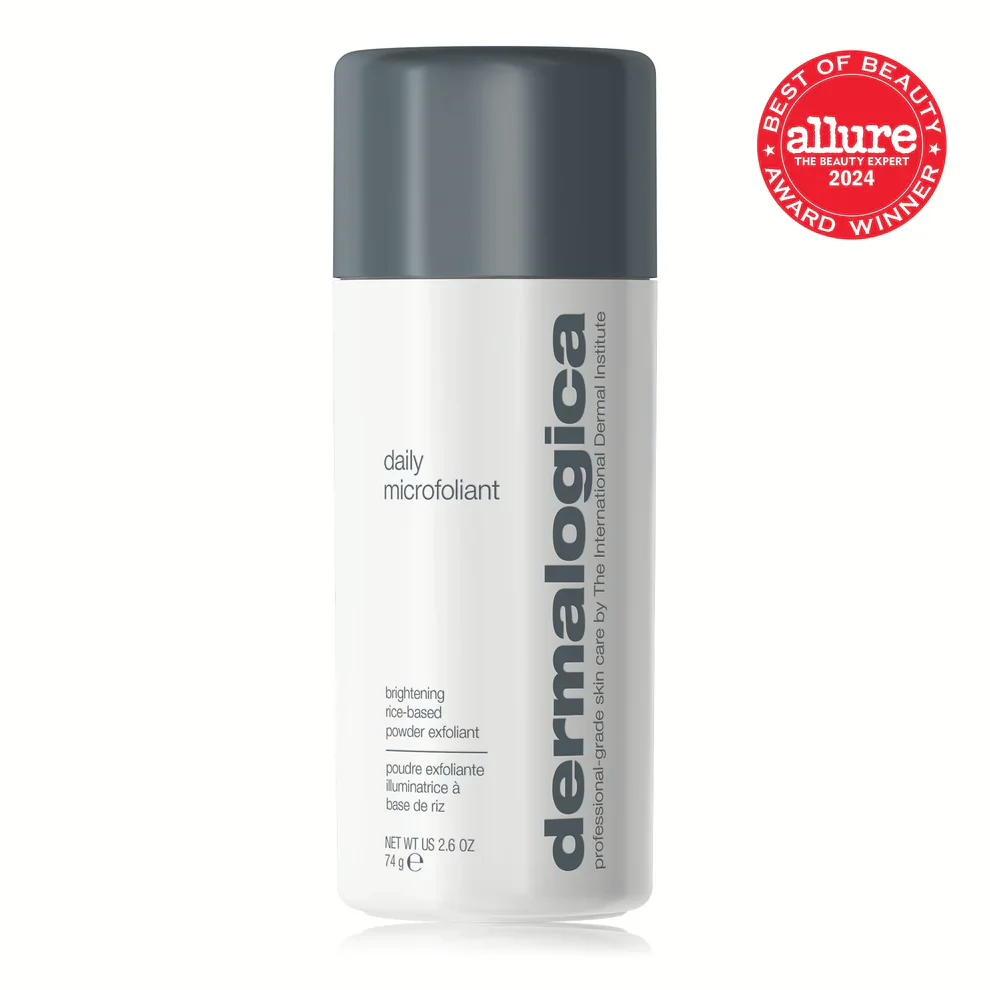
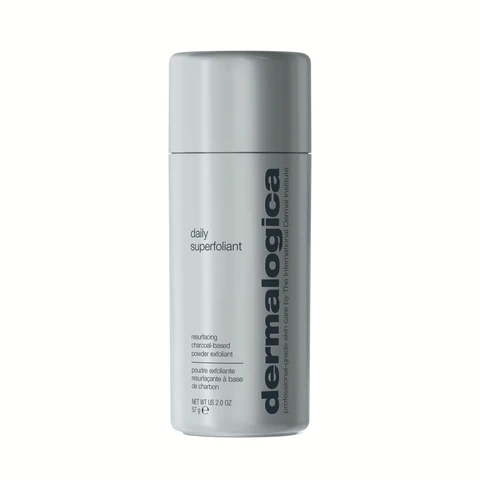
Dermalogica’s powder exfoliants look similar on the shelf, but they are not simply three sizes or versions of the same product. Daily Microfoliant, Daily Milkfoliant and Daily Superfoliant have different strengths and suit different skin priorities.
The short answer is:
- Choose Daily Milkfoliant when dryness, sensitivity or barrier support is the main concern.
- Choose Daily Microfoliant when you want a balanced option for dullness, uneven texture and uneven-looking tone.
- Choose Daily Superfoliant when your skin is relatively resilient and your priorities are stronger resurfacing, congestion, visible pores or environmental exposure.
“Daily” describes how the products are positioned, not a rule that every person should use them every day. Frequency should be based on your skin, the rest of your routine and whether you are preparing for or recovering from a professional skin treatment.
Quick comparison
| Product | Best starting point for | Texture and character | Sensitivity level | Suggested starting frequency |
|---|---|---|---|---|
| Daily Milkfoliant | Dry, dehydrated or sensitive skin | Creamy, milky powder | Gentlest of the three | Once or twice weekly |
| Daily Microfoliant | Dullness, rough texture and uneven-looking tone | Fine rice-based powder | Gentle-to-moderate | Two or three times weekly |
| Daily Superfoliant | Resilient, oily or combination skin; pores and texture | Dark charcoal powder with stronger resurfacing feel | Most active of the three | Once weekly, then increase if comfortable |
These are cautious starting points rather than fixed directions. Dermalogica may describe a product as suitable for daily use, but a person who also uses retinol, exfoliating acids, benzoyl peroxide or prescription acne treatment may need it far less often.
Daily Milkfoliant: the gentler option
Dermalogica Daily Milkfoliant is designed to exfoliate while supporting a softer, calmer feel. Its vegan powder contains oat and coconut, with papaya-derived papain and fruit-based exfoliating components.
It is usually the most sensible starting point when the skin feels dry, tight or easily irritated. It may also suit someone who wants smoother skin but has previously found granular scrubs or stronger acids uncomfortable.
Daily Milkfoliant is not automatically appropriate for actively inflamed eczema, a damaged skin barrier or skin that is burning and peeling. During an active flare, even gentle exfoliation may be too much. Simplify the routine first and obtain advice if symptoms persist.
Daily Microfoliant: the balanced all-rounder
Dermalogica Daily Microfoliant is the best-known product in the group. The rice-based powder activates with water and includes papain, salicylic acid and rice bran, while colloidal oatmeal and allantoin help give the formula a calmer character than a traditional abrasive scrub.
It is a useful choice for skin that looks dull, feels slightly rough or has uneven-looking tone. It can also fit into a routine for mild congestion, provided it is not layered indiscriminately with several other exfoliating products.
Daily Microfoliant is often described as gentle enough for daily use. In clinical practice, however, “gentle” is relative. Someone using retinol or an acid serum may achieve better tolerance by using Microfoliant on alternate evenings or only two to three times a week.
Daily Superfoliant: stronger resurfacing for resilient skin
Dermalogica Daily Superfoliant has the most active resurfacing profile of the three. Its charcoal powder combines enzymes and alpha hydroxy acids with ingredients such as niacinamide, red algae and tara fruit extract.
This option is more likely to appeal to normal, combination or oily skin with visible texture, congestion or enlarged-looking pores. It may also suit experienced users who enjoy a more polished finish from an exfoliant.
It is not the product I would choose first for reactive, over-treated or very dry skin. Start slowly, especially if you use retinol, salicylic acid, glycolic acid or other resurfacing products elsewhere in your routine.
How to use a Dermalogica powder exfoliant
The technique is similar for all three products:
- Cleanse the skin and wet your hands well.
- Dispense approximately half a teaspoon of powder into your hands.
- Rub your hands together until the powder becomes a creamy paste or lather.
- Apply gently in circular movements, avoiding the eye area.
- Massage for up to one minute without scrubbing aggressively.
- Rinse thoroughly and follow with a suitable moisturiser.
Pressure is not a measure of effectiveness. If the product feels gritty, add more water rather than pressing harder.
Can I use one with retinol or acids?
Yes, but introduce the products separately and avoid stacking them on the same evening at first. For example, use retinol on one evening and a powder exfoliant on another. This makes it easier to identify the cause if dryness, burning or flaking develops.
Reduce frequency if you notice persistent tightness, stinging, redness, scaling or increased sensitivity to your usual products. More exfoliation does not necessarily produce faster improvement; it can create a cycle of inflammation and barrier disruption.
Which one is best for pigmentation?
Daily Microfoliant is the most balanced starting point when dullness and uneven-looking tone are the main concerns. Superfoliant may suit resilient, textured skin, while Milkfoliant may be preferable when pigmentation is accompanied by dryness or sensitivity.
No exfoliant can identify or treat every cause of pigmentation. Melasma, post-inflammatory marks and sunspots behave differently. A new, changing, irregular or bleeding pigmented lesion should be medically assessed rather than treated with cosmetic skincare.
Which one is best before a professional treatment?
Do not intensify exfoliation immediately before a peel, IPL, microneedling or another procedure. Active skincare often needs to be paused around treatment, and the timing varies with the procedure and your skin. Follow the instructions given by the clinician performing the treatment.
Frequently asked questions
Can I use Daily Microfoliant every day?
Some people tolerate it daily, but many do not need that frequency. Begin two or three times weekly and increase only if the skin remains comfortable, particularly if you use retinol or acids.
Is Daily Milkfoliant suitable for sensitive skin?
It is the gentlest starting option in this group and is positioned for sensitivity and redness. It should still be paused if the skin is actively inflamed, burning or peeling.
Is Daily Superfoliant too strong for dry skin?
It may be. Dry or depleted skin often benefits more from Milkfoliant or occasional Microfoliant, together with barrier-supporting moisturiser.
Can teenagers use these exfoliants?
Teenage skin does not automatically need exfoliation. For breakouts, a simple routine with an appropriate cleanser, moisturiser and SPF is usually a better foundation. Add one active product at a time.
Shop Dermalogica exfoliants in New Zealand
Explore Dermalogica products at Satini Cosmetic Clinic or shop cleansers and exfoliators. Satini offers online ordering and free delivery throughout New Zealand, with personalised advice available from our Christchurch clinic.
This article provides general skincare information and does not replace an individual medical assessment.
Need help choosing your Dermalogica products?
Shop Dermalogica online with Satini or book a doctor-led skin assessment at our Christchurch clinic for personalised advice.