Medical-Grade Skincare Products: The Science Behind Real Results
Medical-grade skincare works differently to drugstore brands because it carries higher concentrations of active ingredients, backed by clinical research rather than marketing claims. A vitamin C serum from the supermarket might list ascorbic acid on the label, but a medical-grade version delivers it at a strength and stability formulated to actually reach the skin.
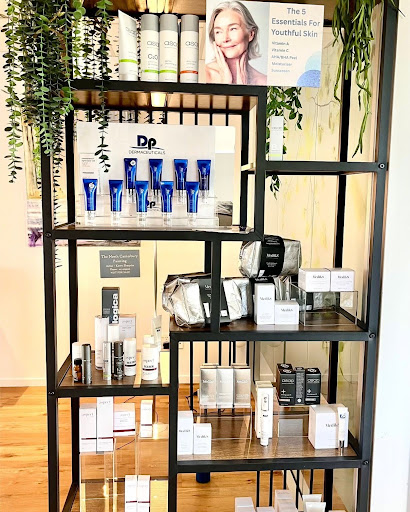
At Satini, every product on our shelves has been chosen for this reason. Each one lists its active ingredients and explains what they do, so the choice between a serum and a moisturiser is based on formulation, not packaging.
What Makes Skincare “Medical-Grade”?
The term describes formulations with active ingredient concentrations several times higher than what’s found in over-the-counter products, developed with reference to peer-reviewed research rather than cosmetic testing alone. A network meta-analysis of 23 randomised controlled trials found that retinoids consistently outperformed other topical agents for fine wrinkles and hyperpigmentation, which is part of why they anchor so many medical-grade ranges. This concentration difference is why the best skin brightening products and anti-ageing serums often share the same hero ingredients, like vitamin C and niacinamide.
At Satini, this is why every purchase can be paired with a free skin assessment. The formula is less important than whether it’s the right formula for your skin.
| Medical-grade | Drugstore | |
| Active concentration | Higher, clinically tested | Lower, formulated for broad safety |
| Evidence base | Peer-reviewed studies | Marketing claims |
| Guidance | Often paired with a skin assessment | Self-selected |
| Typical price | $60 to $600+ | $10 to $60 |
What Should You Look for in the Best Anti Ageing Skincare?
The best anti-ageing skincare is built around three ingredients with the strongest evidence: retinoids for fine lines and texture, vitamin C for antioxidant protection, and peptides for supporting collagen. Medik8’s Crystal Retinal range (from $81 to $238) is designed to be introduced gradually, moving up in strength as skin adjusts.
For antioxidant support, the CosMedix Pure C Vitamin C Mixing Crystals ($97) are mixed fresh to keep the vitamin C stable, and Dermalogica’s Biolumin-C Serum ($149 to $236.50) pairs vitamin C with peptides for a combined approach. A basic routine of cleanser, active serum and moisturiser covers most needs. Adding a mild at-home peel a few times a year takes things further.
Do Medical-Grade Products Need a Prescription?
Most do not. The majority of the range at Satini, including retinol serums, vitamin C treatments and cleansers, is available without a prescription. A small number of stronger formulations, such as Dermamelan, are reserved for in-clinic use or require professional guidance because of their strength.
How Are Medical Grade Acne Products Different From Drugstore Treatments?
Medical grade acne products work on the same principle as anti-ageing formulas: higher, better-studied concentrations of active ingredients. A Cochrane systematic review of 49 randomised trials found azelaic acid performed comparably to tretinoin for treatment response, with salicylic acid and niacinamide also showing supporting evidence.
Aspect Dr’s AHA/BHA Cleanser ($62) and CosMedix’s Clarify Salicylic Acid Foaming Cleanser ($82) target congestion at the cleansing stage. Medik8 Crystal Retinal 1 ($81) is a common starting point for renewing skin without over-drying it, and Dermalogica’s Breakout Clearing Foaming Wash ($41 to $61) suits daily use for oilier skin. The aim is always to calm and clear without stripping the skin barrier, since harsh routines tend to make breakouts worse.
How Long Does It Take to See Results?
Retinoids and vitamin C, the backbone of the best anti-ageing skincare routines, tend to show early improvements in texture within four weeks, while pigmentation and deeper wrinkles take longer. Most active ingredients need four to twelve weeks of consistent use before changes are visible, since skin cell turnover and collagen remodelling both take time. Skipping days or switching products too often resets this process.
What Are the Best Products for Pigmentation and Dark Spots?
Pigmentation affects the majority of adults as they age, caused by melanocytes producing excess melanin. The best products for pigmentation combine ingredients that limit melanin transfer with others that support even skin tone over time. A review of cosmeceutical ingredients for hyperpigmentation found ascorbic acid produced notable improvement in skin pigmentation with far fewer side effects than hydroquinone.
Dermalogica’s Powerbright Dark Spot Serum ($205) and Aspect’s Pigment Punch+ ($131.50) both target discolouration directly. For more stubborn pigmentation, the Cosmelan 2 Home Treatment ($390) and Dermamelan Cream ($440) are formulated to work alongside an in-clinic assessment for a more intensive depigmenting routine.
Is Medical-Grade Skincare Safe for Sensitive Skin?
Yes, when actives are introduced gradually. Reactive or sensitive skin can flare if a strong retinoid or acid is added too quickly, so starting with a lower strength and building tolerance over several weeks reduces this risk. This applies just as much to medical grade acne products, where a strong salicylic acid or retinal can flare sensitive skin if introduced too fast.
What Are the Best Skin Brightening Products for an Uneven Tone?
The best skin brightening products focus on limiting melanin production while supporting overall skin clarity. In a clinical study on niacinamide, this ingredient reduced hyperpigmentation and increased skin lightness compared with a placebo after four weeks, working by blocking melanosome transfer rather than stripping pigment.
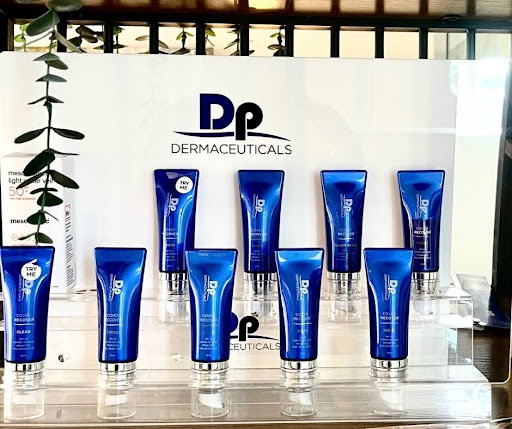
For a targeted approach, the DP Dermaceuticals Brite Lite 3D Sculptured Mask ($143) and Medik8 Oxy-R Peptides ($140) support a brighter, more even tone with regular use. For more pronounced unevenness, the Dermamelan Home Pack ($610) is designed as a complete at-home system following an in-clinic consultation. Because pigmentation and dullness often overlap, some of the best products for pigmentation double as brightening treatments.
Frequently Asked Questions
What makes a skincare product medical grade? Medical-grade products contain higher concentrations of active ingredients than over-the-counter formulas and are developed with reference to clinical research rather than general cosmetic testing.
Do medical-grade skincare products need a prescription? Most do not. A small number of stronger treatments, such as Dermamelan, are reserved for use alongside professional guidance.
Are medical-grade products safe for sensitive skin? Yes, provided actives are introduced gradually. Starting at a lower strength and building tolerance over several weeks reduces the risk of irritation.
How long before I see results from medical-grade skincare? Most active ingredients need four to twelve weeks of consistent use, with texture improvements often visible earlier than pigmentation changes.
Can I combine medical-grade actives like retinal and vitamin C? Many people do, though timing is important. Vitamin C in the morning and retinal in the evening is a common approach that avoids destabilising either ingredient.
Is medical-grade skincare only available through clinics? No. Most products can be purchased directly, though our free skin assessment helps confirm the right combination for your skin.
What is the difference between Cosmelan and Dermamelan? Both are intensive depigmenting systems designed to work alongside an in-clinic consultation, with formulation differences that our free skin assessment can help clarify for your specific pigmentation.
Can medical-grade skincare help with post-acne marks? Ingredients like niacinamide and azelaic acid are commonly used to support fading of post-acne marks over time, alongside consistent sun protection.
How much does medical-grade skincare cost? Individual products range from around $40 for cleansers to $600 or more for intensive treatment systems, depending on strength and purpose.
Do I need a free skin assessment before starting a new routine? It’s not required but is recommended, particularly if you are introducing multiple new actives at once or have sensitive or reactive skin.
Some concerns respond faster than others, and some routines need adjusting as skin changes. A free skin assessment is the fastest way to work out which actives suit your skin now.
Book your free skin assessment with Satini or call 0800-121-622 and start a routine built on evidence, not guesswork.