A Cosmetic Doctor’s Guide to Dermalogica for Pigmentation
A cosmetic doctor explains which Dermalogica products may support sunspots, post-acne marks and uneven tone—and when pigmentation needs assessment.
“Pigmentation” is an umbrella term, not a diagnosis. Sunspots, melasma, post-inflammatory marks after acne and an irregular pigmented lesion can all look brown, but they do not behave the same way and should not be treated as if they do.
Dermalogica offers several products that can support a brighter, more even-looking complexion. The best routine depends on the type of discolouration, skin sensitivity, other active products and the amount of ultraviolet exposure.
The foundation is simple: identify the problem as accurately as possible, protect the skin from further ultraviolet exposure and introduce brightening or exfoliating products gradually.
First: what type of pigmentation do you have?
Sunspots
Sunspots are usually discrete areas that develop after cumulative ultraviolet exposure. They may respond to targeted skincare and clinical treatments, but a new or changing lesion should be assessed before cosmetic treatment.
Post-inflammatory pigmentation
Brown marks can remain after acne, dermatitis, picking or a procedure. Preventing new inflammation is as important as using a brightening serum. Aggressive exfoliation can worsen the cycle.
Melasma
Melasma often appears as symmetrical patches on the cheeks, forehead or upper lip. It can be influenced by ultraviolet radiation, visible light, heat and hormones. It is prone to recurrence and may worsen with poorly chosen aggressive treatments.
A lesion that needs medical review
Skincare should not be used to delay assessment of a spot that is new, changing, irregular, bleeding, persistently crusted or unlike your other marks.

The Dermalogica products to consider
PowerBright Dark Spot Serum
Dermalogica PowerBright Dark Spot Serum is designed to reduce the appearance of dark spots over time. Dermalogica highlights niacinamide and hexylresorcinol, with shiitake mushroom, ashwagandha, blackcurrant oil and peony flower.
This is a practical leave-on option for uneven-looking tone and post-blemish marks. Apply consistently and judge results over time rather than adding several new brightening products in the same week.
BioLumin-C Serum
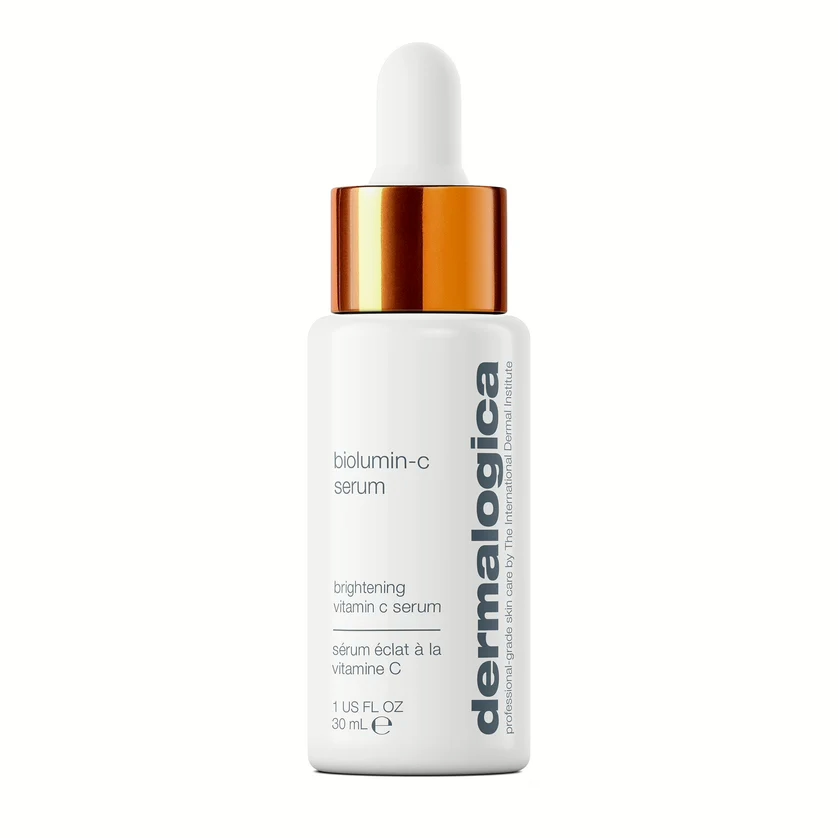
Dermalogica BioLumin-C Serum combines a stabilised vitamin C complex with a peptide and alpha hydroxy acid. It is positioned to support brightness, firmness and antioxidant protection.
Vitamin C can complement a pigmentation routine, especially in the morning beneath sunscreen. It is not a replacement for sunscreen and will not treat every cause of discolouration.
Daily Microfoliant
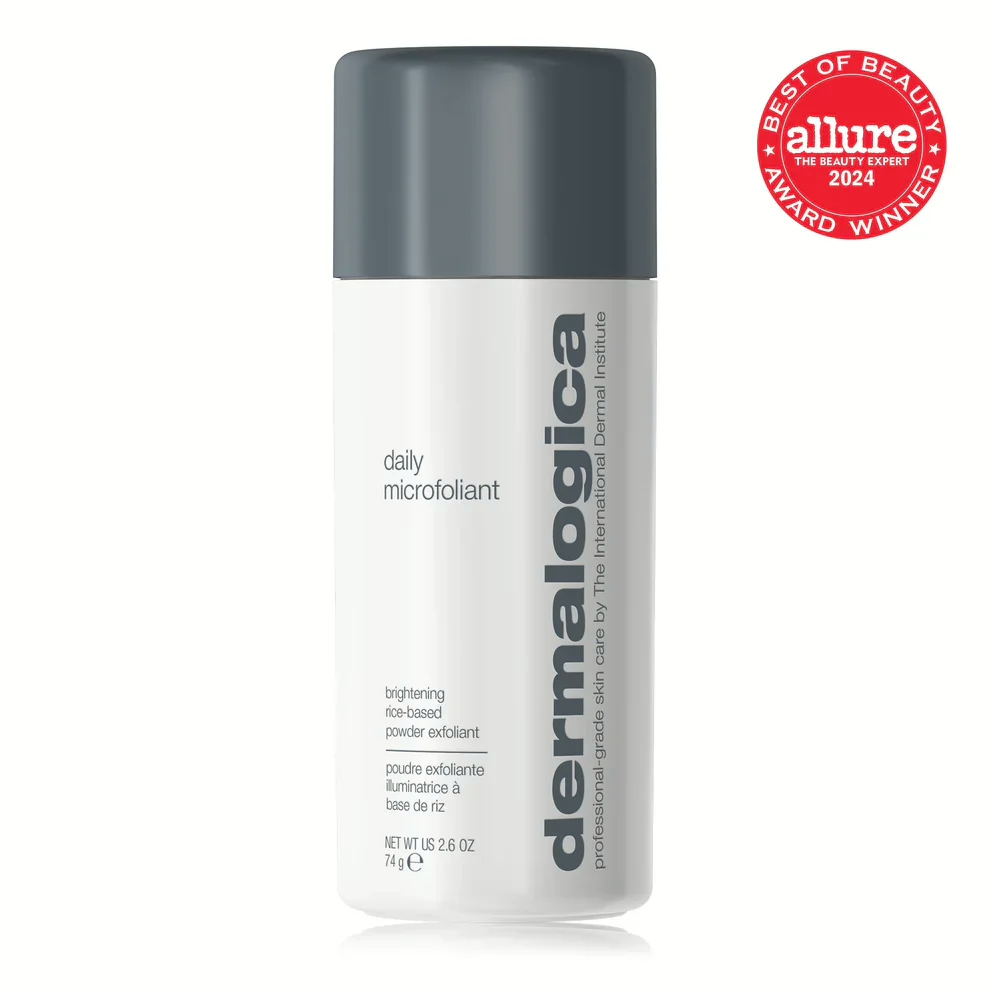
Dermalogica Daily Microfoliant can help remove accumulated surface cells and improve the appearance of dullness and uneven tone. Its rice-based powder contains papain, salicylic acid and rice bran, with soothing colloidal oatmeal and allantoin.
Despite the name, daily use is not necessary for everyone. Begin two or three times weekly, or less if you also use retinol, acids or prescription pigmentation treatment.
PowerBright Dark Spot Peel
Dermalogica PowerBright Dark Spot Peel is a more active at-home option containing an AHA and PHA blend, including mandelic acid, together with tranexamic acid and niacinamide.
It may be useful for experienced users with stubborn uneven tone, but it should not be layered casually with retinol, other peels or prescription formulas. Sensitive, inflamed or recently treated skin may not be suitable.
PowerBright Moisturiser SPF50
Dermalogica PowerBright Moisturiser SPF50 combines broad-spectrum sun protection with ingredients selected to support uneven-looking tone and hydration.
Its value is consistency: brightening products are unlikely to perform well if ultraviolet exposure continues to stimulate pigmentation. Apply generously and reapply when exposure requires it.
A simple Dermalogica pigmentation routine
Morning
- Gentle cleanse.
- PowerBright Dark Spot Serum or BioLumin-C Serum—begin with one, not both.
- Moisturiser if needed.
- Broad-spectrum SPF50 in an adequate amount.
Evening
- Remove makeup and sunscreen.
- Gentle cleanse.
- PowerBright Dark Spot Serum or another selected treatment.
- Moisturiser.
Use Daily Microfoliant or PowerBright Dark Spot Peel on separate evenings according to tolerance. Do not use every active simply because it belongs to the same range.
Why sunscreen is non-negotiable
Ultraviolet exposure can darken existing pigmentation and stimulate new pigment. Daily SPF is therefore part of treatment, not an optional finishing product.
Apply it to all exposed areas, use enough and combine it with shade, hats and protective clothing. Melasma may need additional strategies because visible light, heat and hormonal influences can contribute.
When skincare is not enough
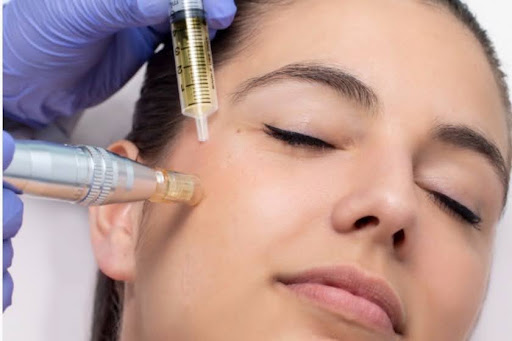
Skincare can support mild uneven tone, but deeper or persistent pigmentation may need professional assessment and a longer-term plan. Satini offers treatments including prescription pigmentation creams, Cosmelan, Dermamelan and IPL for appropriately selected concerns. IPL is not suitable for every type of pigmentation and is generally not the first choice for melasma.
Pigmentation can recur even after successful treatment. Maintenance sunscreen and skincare remain important.
Common mistakes
- Treating all brown marks as sunspots.
- Starting vitamin C, a peel, retinol and an exfoliating powder simultaneously.
- Skipping sunscreen on cloudy or cooler days.
- Picking acne lesions and creating new post-inflammatory marks.
- Continuing a product despite persistent burning or rash.
- Using cosmetic products on a new or changing lesion without assessment.
Frequently asked questions
Which Dermalogica product is best for dark spots?
PowerBright Dark Spot Serum is the most directly targeted leave-on option. The best overall plan should also include daily broad-spectrum SPF and address the cause of the pigmentation.
Can Dermalogica treat melasma?
Dermalogica products may support a melasma routine, particularly through sun protection and selected brightening ingredients, but melasma is complex and recurrent. Professional assessment is recommended.
Can I use BioLumin-C Serum and retinol together?
Many people use vitamin C in the morning and retinol in the evening. Introduce them separately and reduce frequency if irritation develops.
How long does pigmentation skincare take to work?
Pigmentation usually changes gradually. Consistent use over weeks to months is more realistic than expecting a result in a few days, and recurrence remains possible.
Is IPL suitable for pigmentation?
IPL may help selected sunspots but is not appropriate for every pigment condition and can aggravate melasma in some circumstances. Diagnosis and skin-type assessment should come first.
Professional pigmentation assessment in Christchurch
If you are unsure whether you have sunspots, melasma or post-inflammatory pigmentation, book a $99 consultation with a senior cosmetic doctor at Satini. It includes a detailed facial assessment with 3D imaging and honest advice, with no sales consultant. The consultation fee is deducted from any treatment at Satini.
Explore anti-pigmentation treatments or book a consultation.
This article provides general information and does not replace assessment of a pigmented lesion or personalised medical advice.
Need help choosing your Dermalogica products?
Shop Dermalogica online with Satini or book a doctor-led skin assessment at our Christchurch clinic for personalised advice.