How to Get Rid of Dark Spots on Face: Causes, Treatments, and Fade Time
Learning how to get rid of dark spots on face starts with identifying what’s causing them in the first place. At Satini Cosmetic Clinic in Ferrymead, Christchurch, dark spots are treated with a mix of prescription creams, IPL, chemical peels, and other in-clinic options, chosen based on how deep the pigment sits and how quickly you want to see change. There is no single fix that works for everyone, but combining a doctor-prescribed cream with a series of IPL sessions tends to produce the most complete fading.
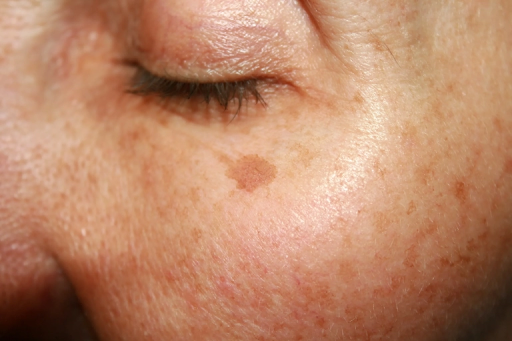
What Causes Dark Spots on Skin?
Dark spots form when pigment-producing cells in the skin, called melanocytes, produce too much melanin in one area or when that pigment becomes trapped beneath the surface. What causes dark spots on skin usually comes down to two things: cumulative sun exposure and age. The more sun-damaged the skin, the more spots tend to appear, and most people start noticing them from their mid-40s onward. Once the underlying cause is clear, finding the best treatment for dark spots becomes a lot more straightforward.
They show up on areas that get the most sun over a lifetime, which is why the face, the backs of the hands, and the forearms are the most common spots to see them.
Are Dark Spots the Same as Freckles or Melasma?
No, though people often mix the three up. Because these three often get lumped together, it helps to know what causes dark spots on skin specifically before choosing a treatment.
| Form of pigmentation | Cause | Best-suited treatments |
| Dark spots | Ageing and sun exposure | IPL, laser, cryotherapy |
| Freckles | Genetics, fair skin, red hair | IPL and laser |
| Melasma | Hormones, sun exposure, more common in women | Hydroquinone and chemical peels |
Freckles are present from childhood and are not caused by the sun, whereas dark spots develop later in life and are driven mainly by sun damage over time.
How to Get Rid of Dark Spots on Face
The most effective approach to how to get rid of dark spots on face combines a prescription-strength cream with an in-clinic treatment, rather than relying on either alone. A prescription cream containing 4-hydroxyanisole 2% and tretinoin 0.01%, used alongside SPF 50+ sunscreen, has been found to clear up to 80 per cent of dark spots in clinical trials. At Satini, this cream is often paired with IPL for a more complete result.
Other options performed at the clinic include:
- Chemical peels to exfoliate pigmented surface layers and reveal more even-toned skin underneath
- Microneedling to encourage collagen production and improve overall texture alongside pigment
Skipping daily SPF also means how long it takes for dark spots to fade stretches out further, since new spots keep forming as fast as old ones clear.
What Is the Best Treatment for Dark Spots?
There is no single answer to the best treatment for dark spots, because the right option depends on how many spots you have, how deep they sit, and how much downtime you can manage. IPL is one of the most effective standalone options, with success rates of up to 90 per cent reported in some clinical trials. A 2023 systematic review of laser-based treatments found a 43 per cent complete response rate, while cryotherapy, once considered a first-line treatment, showed a lower complete response rate of around 15 per cent.
Chemical peels are a middle-ground option. Moderate peels such as the Jessner or Mesoestetic Melanoplus are well suited to dark spots specifically, while deeper peels like Cosmelan target more stubborn or widespread pigmentation, including melasma. Whatever combination you choose, how to get rid of dark spots on face comes down to matching the depth of treatment to the depth of pigment.
How Much Does Dark Spot Treatment Cost in Christchurch?
Pricing depends on which treatment suits your skin. At Satini, chemical peels range from $125 to $180 depending on strength, IPL is $299 per 40-minute session (or $750 for a series of three), and Cosmelan is $1,800, which includes a facial and take-home products. A free skin assessment with a doctor is the best way to find out which combination will work for your particular spots, and what it will cost.
How Long Does It Take for Dark Spots to Fade?
Most people see visible fading within a few weeks of starting treatment, though how long does it take for dark spots to fade fully depends on the treatment chosen. Prescription creams typically take several weeks of consistent use before results show. IPL and chemical peels are usually delivered as a series, with visible improvement building session by session rather than all at once, and full results best assessed at a follow-up appointment once the course is complete.
Left untreated, dark spots caused by ageing and sun exposure tend to persist rather than fade on their own, and can darken further without daily sun protection.
Frequently Asked Questions
Can dark spots come back after treatment? Yes, particularly without daily SPF. Sun exposure is the main driver of new dark spots, so ongoing sun protection is part of keeping results.
Do home remedies work as well as in-clinic treatments? Over-the-counter creams with ingredients like vitamin C or niacinamide can help with mild discolouration, but they work more slowly and less completely than prescription creams or in-clinic treatments.
Is dark spot treatment painful? Most people describe IPL and chemical peels as mildly uncomfortable rather than painful, often a warm or tingling sensation during the session.
Are dark spot treatments safe for all skin tones? Some treatments carry a higher risk of pigmentation changes in darker skin tones, particularly deeper peels and aggressive laser settings. A doctor will assess your skin type before recommending a treatment.
How many sessions will I need? This varies by treatment, which is exactly why how long it takes for dark spots to fade differs so much from person to person. IPL and chemical peels are usually done as a series rather than a single session for best results.
Can I combine treatments for faster results? Yes. Combining approaches is often how clinics land on the best treatment for dark spots for a particular patient.
Is there downtime after treatment? Prescription creams have no downtime. IPL has minimal downtime, while chemical peels can involve some redness or peeling depending on strength.
Do I need to change my skincare routine during treatment? Yes, generally. A gentler routine and daily SPF 50+ are usually recommended while undergoing any dark spot treatment.
Can dark spots be a sign of something more serious? Most dark spots are harmless, but knowing what causes dark spots on skin helps you tell the difference between normal ageing and something that needs a doctor’s opinion. Any spot that changes shape, colour, or size, or starts to itch or bleed, should be checked by a doctor.
Where can I get a professional assessment for dark spots in Christchurch? Satini Cosmetic Clinic offers free initial skin assessments with a doctor to identify the cause of your dark spots and recommend the right treatment.
Dark spots respond best to a plan matched to how deep the pigment sits, whether that’s a prescription cream, IPL, a chemical peel, or a combination of the three. Daily SPF is what keeps results lasting once treatment is done. A free skin assessment is the fastest way to find out which approach fits your skin.
To see your dark spots fade, book a free skin assessment with Satini today.