Satini For Men — Hair Loss
Is Topical Finasteride Worth Trying? A Modern Treatment for Male Pattern Baldness in NZ
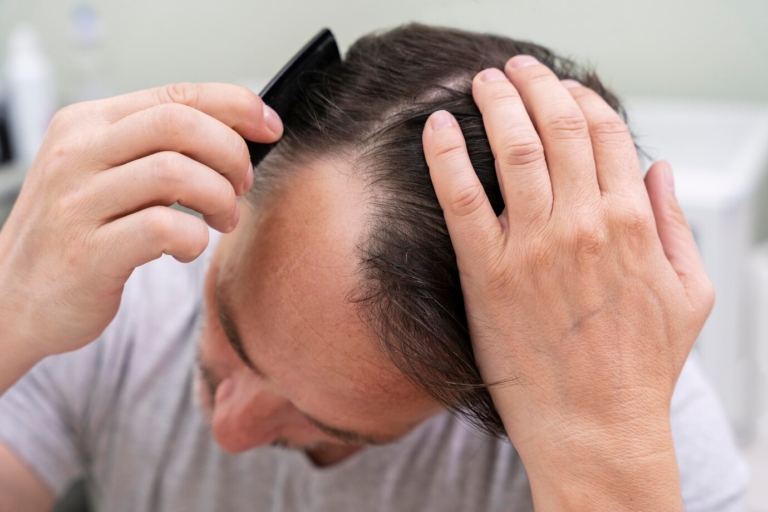
If you've started noticing more hair in the shower drain or a hairline that's crept back further than you remember, you've probably already searched for finasteride. It's one of the most talked-about treatments for hair loss — and one of the most misunderstood, mostly because people conflate the oral tablet with the newer topical version, which behave quite differently in the body.
This article looks specifically at topical finasteride: how it works, what makes it different from the tablet form, and whether it's actually worth trying. If you haven't already, it's worth starting with our full guide to male pattern baldness treatment first, since finasteride is only one part of a proper treatment plan — this post assumes you already understand the basics of what's causing your hair loss.
Understanding Male Pattern Baldness, Briefly
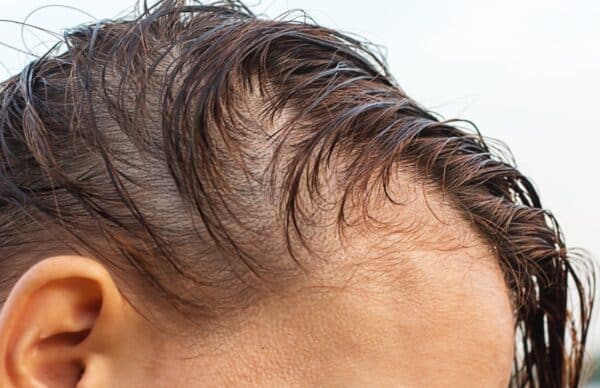
Male pattern baldness (androgenetic alopecia) is driven by genetics and a hormone called DHT (dihydrotestosterone), which gradually shrinks hair follicles that are genetically sensitive to it. It follows a predictable pattern — usually starting at the temples or crown — classified on the Norwood scale. We cover the causes, stages and full range of treatment options in detail on our male pattern baldness treatment page, so we won't repeat all of that here.


What Makes Topical Finasteride a Modern Solution?
Oral finasteride tablets work well for many men, but because the medicine circulates through the whole body, a small proportion of men report side effects like reduced libido or mood changes. Topical finasteride is designed to address this: it's applied directly to the scalp, where it can block local DHT production with much less of the medicine reaching the rest of the body.
That's the theoretical appeal — a more targeted, "same job, less exposure" approach. It's a genuinely newer option, sold either alone or combined with minoxidil in a single daily application, like the topical finasteride and minoxidil lotion or topical finasteride spray we prescribe in clinic.
How Does It Compare to Other Hair Loss Treatments?
Finasteride — oral or topical — works on the hormonal driver of hair loss (DHT). Minoxidil works differently, supporting blood flow to the follicle, which is why the two are often combined rather than used as alternatives to each other. PRP (platelet-rich plasma) is a separate, in-clinic option that stimulates follicles directly using your own blood, and can be layered on top of either.
None of these are quick fixes, and none of them work identically for everyone — which is exactly why an assessment matters more than picking a product off a shelf. We go through how these options combine on the male pattern baldness treatment page.
Is It Worth Trying? Key Considerations
Topical finasteride tends to be worth considering if:
- You have early-to-moderate genetic hair loss (it works best started before follicles are fully dormant)
- You'd prefer to minimise systemic exposure to the medicine compared with the oral tablet
- You're prepared for a daily routine and a realistic timeframe — this isn't an overnight fix
It's a prescription-only medicine in New Zealand, so it isn't something to start without a doctor confirming it's appropriate for you and your health history.
What to Expect: Results, Side Effects, and Ongoing Care
Results build gradually. Many men notice a period of increased shedding in the first four to six weeks — this is a normal part of the hair cycle resetting, not a sign the treatment is failing — with visible improvement typically taking three to six months of consistent use.
Because topical application limits how much of the medicine reaches the bloodstream, systemic side effects such as reduced libido or mood changes are reported far less often than with the oral tablet, though they aren't impossible. Full consumer medicine information is available from Medsafe, and Dr Nadja will talk you through the specific benefits and risks for your situation. Individual results vary, and this article is general information rather than medical advice.
Personalised Treatment: Why Professional Guidance Matters
Finasteride isn't a one-size-fits-all product, and it isn't always the right starting point — some men do better beginning with minoxidil or PRP, others benefit most from combining two or three treatments. Getting this right depends on an actual assessment of your hairline, your stage on the Norwood scale, and your health history, not a guess based on what worked for someone else.
The difference between a treatment "working" and "not working" often comes down to whether it was the right treatment for your specific hair loss in the first place, prescribed and monitored by someone qualified to adjust it. That's the whole premise behind our approach to male pattern baldness treatment — Dr Nadja assesses, prescribes and reviews every case personally.
Book your $99 consultation
Refunded against any in-clinic treatment. Find out whether topical finasteride — or a different combination — is right for you.
Book via our Male Pattern Baldness page →If you're exploring hair thinning more broadly — including causes more common in women — see our guide to hair loss and thinning treatment.
This article is general information and does not replace individual medical advice. Finasteride is a prescription medicine — talk to your doctor about whether it's right for you, its benefits, and its possible side effects.