Which Hair Loss Treatment Christchurch Is Right for You? Comparing Exosomes, Finasteride and PRP
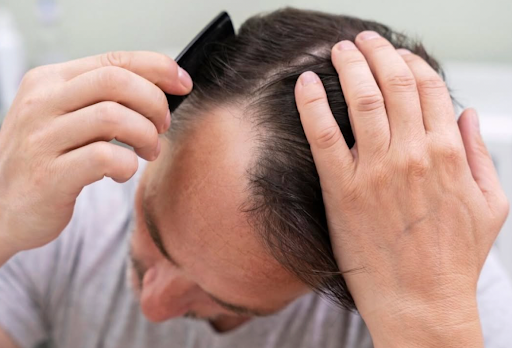
The three most-discussed options for hair loss right now are exosomes, PRP, and finasteride. Each one works differently and suits different people. If you’re trying to decide which one belongs in your plan, the most useful thing to understand is that these aren’t direct substitutes for each other.
At Satini, we offer hair loss treatment in Christchurch that patients across Ferrymead and greater Christchurch can access through a proper doctor-led assessment. Topical finasteride for hair loss, PRP, and exosomes each have a role, and for many people a combination rather than a single treatment works best.
How Does Topical Finasteride for Hair Loss Work?
Topical finasteride for hair loss works by blocking DHT, the hormone responsible for shrinking genetically sensitive hair follicles. Applied directly to the scalp rather than taken as a tablet, it targets the problem locally, with far less of the medicine reaching the rest of the body than the oral version.
Finasteride is a prescription-only medicine in New Zealand, assessed and prescribed by Dr Nadja at your consultation. It tends to work best for male pattern hair loss when started before follicles become fully dormant, which is why male pattern baldness treatment in Christchurch is advised to be started early rather than wait. Results are gradual; most people see visible change between three and six months.
It’s not suitable for women who are or may become pregnant. Full consumer medicine information is available from Medsafe. Individual results vary.
Who Finasteride suits best:
- Men with early-to-moderate androgenetic alopecia
- Anyone who wants to address the hormonal cause rather than just support follicle activity
- Those who prefer a daily at-home treatment over in-clinic sessions
What Are Exosomes for Hair Growth and Who Are They For?
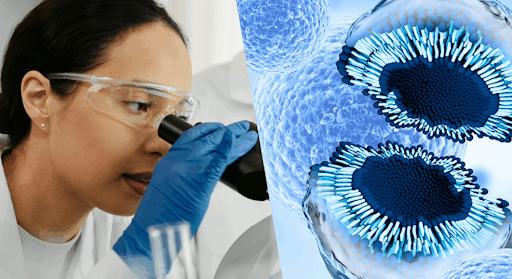
Exosomes for hair growth are microscopic bio-signalling molecules derived from stem cells. When applied to the scalp through microneedling or topical delivery, they carry growth signals and anti-inflammatory proteins directly to follicle cells, communicating at a cellular level in a way topical products can’t reach.
At Satini, exosomes are available both as an in-clinic treatment paired with microneedling and through at-home products like the DP Dermaceuticals EXO-GROW range (Shampoo $65, Scalp Mask $66), which use exosome technology to support scalp health between sessions.
Clinical data on exosomes is promising but newer than PRP or finasteride. A 2025 systematic review of exosome therapy for alopecia reported no serious adverse events across 11 studies and 298 patients, with patient satisfaction between 80-89%. Long-term data beyond 12 months are still limited, which is worth factoring into your decision.
Who Exosomes suits best:
- Those with early-to-moderate hair loss
- People wanting a non-hormonal regenerative option
- Those looking to support and extend results from PRP or other treatments
How Does PRP Compare to Finasteride and Exosomes?
PRP, or platelet-rich plasma, is the most established of the three in-clinic regenerative options. A small amount of blood is drawn, processed to concentrate the growth factors, and injected directly into the scalp. It’s been used in medicine for several decades and has a well-documented safety record for hair loss specifically.
PRP doesn’t address the hormonal cause of pattern hair loss the way finasteride does, but it stimulates follicles directly using your body’s own biology. It works well for both men and women and can be layered alongside topical treatments for a combined effect. Most people complete a course of three to four sessions spaced a month apart, with maintenance sessions every six to twelve months.
| Finasteride (topical) | PRP | Exosomes | |
| Mechanism | Hormonal (blocks DHT) | Growth factor stimulation | Cellular signalling |
| Format | Daily at-home | In-clinic course | In-clinic or at-home |
| Evidence base | Strong (decades of data) | Strong (established) | Promising (newer) |
| Suits men | Yes | Yes | Yes |
| Suits women | Post-menopausal, assessed | Yes | Yes |
| Prescription required | Yes (NZ) | No | No |
| Results timeline | 3-6 months | 3-6 months | 3-6 months |
Which Male Pattern Baldness Treatment Christchurch Should Patients Consider First
For men with androgenetic alopecia, the starting point usually depends on how early the loss is caught and what the priority is. For male pattern baldness treatment Christchurch patients, a combination approach often produces the best outcomes: topical finasteride to block the DHT driving the loss, with PRP or exosomes to stimulate the follicles directly.
Starting with a single treatment isn’t wrong, but the evidence increasingly supports combining a hormonal treatment with a regenerative one. The key is to start before too many follicles become fully inactive.
For women, male pattern baldness treatment isn’t relevant in the same way. Female hair thinning tends to have different drivers and requires an assessment before recommending any treatment.
Can These Treatments Be Combined?
For most people, yes, and combination therapy often delivers the best outcomes. Topical finasteride addresses the hormonal driver, while PRP or exosomes stimulate follicle activity from a different angle. For many patients with androgenetic alopecia, combining both approaches targets the condition from more than one angle.
At Satini, we build combined plans around each person’s cause, stage of loss, and goals. That might mean starting with topical finasteride and adding PRP after a few months, or pairing microneedling with exosomes alongside an at-home prescription spray. There’s no universal sequence; the right combination depends on what’s actually driving the hair loss treatment Christchurch patients present with.
What Questions Should You Ask Before Choosing a Treatment?
Before committing to any option, these are the questions worth raising at your consultation:
- What is the actual cause of my hair loss?
- How far has the loss progressed, and which follicles are still active?
- Is finasteride appropriate for me given my health history?
- Would a combination approach give better results than a single treatment?
- What does a realistic timeline look like for this specific treatment?
- What maintenance will be required once results are achieved?
No treatment decision should be made without answering the first two questions. Everything else follows from an accurate picture of what’s driving the loss.
Frequently Asked Questions
Which hair loss treatment works fastest?
All three options follow a similar timeline: three to six months for visible change. Hair growth cycles are slow, and any treatment claiming otherwise isn’t accurate.
Is PRP or exosomes better for hair loss?
PRP has more long-term clinical data behind it. Exosomes show strong early results and are a promising option for those wanting a non-blood-based regenerative treatment, but head-to-head comparative trials are still limited. Either can work well depending on suitability and preference.
Can women use topical finasteride for hair loss?
Topical finasteride for hair loss is not recommended for women who are or may become pregnant. Post-menopausal women may be assessed as suitable in some cases. Dr Nadja will confirm what’s appropriate based on your health history.
How many PRP sessions do I need?
A standard course is three to four sessions spaced around four weeks apart. Maintenance sessions are typically recommended every six to twelve months after that.
Do exosomes for hair growth require a prescription?
No. Exosome-based treatments and products don’t require a prescription in New Zealand. In-clinic exosome microneedling should still be administered by a trained professional for best results and safety.
What is the best hair loss treatment Christchurch patients can access at Satini?
The most effective plan depends on the individual. Dr Nadja assesses the cause and stage of hair loss before recommending a treatment plan. For many patients, a combination of topical finasteride and PRP or exosome therapy produces stronger results than any single treatment alone.
Is the male pattern baldness treatment Christchurch men access at Satini covered by insurance?
Cosmetic treatments including PRP and exosomes are not typically covered by health insurance in New Zealand. Prescription topical finasteride for hair loss may be partially subsidised in some cases; check with your insurer or discuss at your consultation.
Can I start treatment without an assessment?
At Satini, treatment always follows an assessment with Dr Nadja. The cause of hair loss in men and women often differs, and treatment aimed at the wrong cause won’t produce results. The $99 assessment fee is refunded in full against any in-clinic treatment you choose.
How do I know if my follicles are still active enough to respond to treatment?
That’s what the assessment is for. Dr Nadja examines the scalp, discusses your history, and identifies what’s driving the loss, including whether the affected follicles are likely to respond to regenerative treatment.
Are there any side effects from these treatments?
Topical finasteride for hair loss carries a low risk of systemic side effects because it’s applied locally. PRP uses your own blood and has a well-established safety profile. Exosomes have shown no serious adverse events in clinical studies to date, though long-term data is still accumulating. Dr Nadja will discuss specific risks and benefits at your consultation. The right treatment follows the right diagnosis. Without knowing what’s driving the loss, any choice is a guess. Exosomes, PRP, and topical finasteride each have a role, and for most people, the strongest results come from combining them rather than choosing one.
Book your hair loss assessment at Satini in Ferrymead by calling 0800 121 622 today.